Cargo compartment width
Vehicles with the largest value
Hongyan BEV — 3,800 mm
The Hongyan BEV can be described as a commercial truck for freight and vocational applications. Operators typically judge such a vehicle by payload, component life, and driver working conditions.
Isuzu Elf — 3,120 mm
The Isuzu Elf is a member of the professional truck range developed primarily for logistics, construction, or municipal work. Its application depends on wheelbase, permitted weight, cab type, engine, and the selected body or equipment.

Foton Aumark BJ11 — 2,600 mm
By purpose, the Foton Aumark BJ11 is a working vehicle for freight operations best suited to jobs where durability and chassis configuration are critical. Its application depends on wheelbase, permitted weight, cab type, engine, and the selected body or equipment.

MAZ 6317 — 2,560 mm
At MAZ, the name 6317 is associated with a platform for transport and specialist bodies and the demands of logistics, construction, or municipal work. The alphanumeric code 6317 functions as a factory designation for a family or specific configuration rather than a conventional marketing name. Across its life cycle, the model may have changed significantly in size, interior design, and technology.

MAZ 6501 — 2,550 mm
Within the MAZ range, the 6501 is a platform for transport and specialist bodies intended for heavy-duty operation and specialist body installations. The alphanumeric code 6501 functions as a factory designation for a family or specific configuration rather than a conventional marketing name. Real-world qualities depend on body style, powertrain, and the selected equipment level.
Sollers TR180 — 2,550 mm
The TR180 occupies the role of a passenger car in the history or product line of Sollers, aimed at everything from short commutes to longer journeys. The alphanumeric code TR180 functions as a factory designation for a family or specific configuration rather than a conventional marketing name.
Sollers TR120 — 2,550 mm
The TR120 occupies the role of a vehicle for everyday use in the history or product line of Sollers, aimed at routine operation within its market class. The alphanumeric code TR120 functions as a factory designation for a family or specific configuration rather than a conventional marketing name. Before comparing examples, it is useful to identify the generation, derivative, and original market.
FAW J6 CA3250 — 2,550 mm
The FAW J6 CA3250 was conceived as a model from a mainstream or specialist segment able to cover the needs of personal and family use. Versions are best compared by practicality, running costs, equipment, and condition.

Isuzu Giga — 2,550 mm
Rather than serving a single narrow purpose, the Isuzu Giga works as a commercial truck for heavy-duty operation and specialist body installations. Its application depends on wheelbase, permitted weight, cab type, engine, and the selected body or equipment. The factory specification for the relevant model year is the best reference for precise data.
MAZ 6317 — 2,520 mm
At MAZ, the name 6317 is associated with a platform for transport and specialist bodies and the demands of logistics, construction, or municipal work. The alphanumeric code 6317 functions as a factory designation for a family or specific configuration rather than a conventional marketing name. Across its life cycle, the model may have changed significantly in size, interior design, and technology.
KrAZ 260 — 2,520 mm
The KrAZ 260 approaches its segment as a heavy-duty chassis built around logistics, construction, or municipal work. The alphanumeric code 260 functions as a factory designation for a family or specific configuration rather than a conventional marketing name.

KrAZ 255 — 2,500 mm
At KrAZ, the name 255 is associated with a purpose-built commercial vehicle and the demands of logistics, construction, or municipal work. The alphanumeric code 255 functions as a factory designation for a family or specific configuration rather than a conventional marketing name.

KrAZ 250 — 2,500 mm
As part of the KrAZ portfolio, the 250 answers the demand for a purpose-built commercial vehicle suited to jobs where durability and chassis configuration are critical. The alphanumeric code 250 functions as a factory designation for a family or specific configuration rather than a conventional marketing name.

KamAZ 6580 — 2,500 mm
At KamAZ, the name 6580 is associated with a purpose-built commercial vehicle and the demands of commercial fleet use. The alphanumeric code 6580 functions as a factory designation for a family or specific configuration rather than a conventional marketing name.

Foton Auman BJ51 — 2,500 mm
In the Foton catalogue, the name Auman BJ51 identifies a member of the professional truck range oriented toward regional and long-distance haulage. Its application depends on wheelbase, permitted weight, cab type, engine, and the selected body or equipment. A single name may cover several generations, so the details of an individual vehicle should be verified separately.
Vehicles with the smallest value
Isuzu Elf — 380 mm
The Isuzu Elf is a member of the professional truck range developed primarily for logistics, construction, or municipal work. Its application depends on wheelbase, permitted weight, cab type, engine, and the selected body or equipment.
Toyota COMS — 695 mm
The main role of the Toyota COMS is to be a model from a mainstream or specialist segment convenient for everything from short commutes to longer journeys. Versions are best compared by practicality, running costs, equipment, and condition. Early and late versions can differ considerably in equipment and safety provisions.

Howo 4x2 — 800 mm
The Howo 4x2 was conceived as a heavy-duty chassis able to cover the needs of freight and vocational applications. For a fleet, gross weight, fuel use, repairability, and body compatibility become key considerations. Confirming the engine code and trim helps avoid confusion between visually similar versions.
FAW J5 CA3312 — 870 mm
Rather than serving a single narrow purpose, the FAW J5 CA3312 works as a passenger car for daily trips in town and on the highway. The ownership experience may change substantially with engine, gearbox, and trim level. Real-world qualities depend on body style, powertrain, and the selected equipment level.
Howo 6x4 — 880 mm
Howo uses the 6x4 designation for a working vehicle for freight operations created with heavy-duty operation and specialist body installations in mind. The 6x4 suffix identifies the wheel arrangement, which directly affects load distribution, traction, and intended duty. Across its life cycle, the model may have changed significantly in size, interior design, and technology.
Howo 8x4 — 885 mm
In the Howo catalogue, the name 8x4 identifies a heavy-duty chassis oriented toward regional and long-distance haulage. The 8x4 suffix identifies the wheel arrangement, which directly affects load distribution, traction, and intended duty.
Howo 6x4 — 890 mm
Howo uses the 6x4 designation for a working vehicle for freight operations created with heavy-duty operation and specialist body installations in mind. The 6x4 suffix identifies the wheel arrangement, which directly affects load distribution, traction, and intended duty. Across its life cycle, the model may have changed significantly in size, interior design, and technology.
FAW J5 CA3312 — 905 mm
Rather than serving a single narrow purpose, the FAW J5 CA3312 works as a passenger car for daily trips in town and on the highway. The ownership experience may change substantially with engine, gearbox, and trim level. Real-world qualities depend on body style, powertrain, and the selected equipment level.
Howo 6x4 — 910 mm
Howo uses the 6x4 designation for a working vehicle for freight operations created with heavy-duty operation and specialist body installations in mind. The 6x4 suffix identifies the wheel arrangement, which directly affects load distribution, traction, and intended duty. Across its life cycle, the model may have changed significantly in size, interior design, and technology.
Dacia Spring — 931 mm
The Dacia Spring can be described as a technology-led car with electric assistance for efficient mobility and a digital user experience. The specific version may be battery-electric, hybrid, or plug-in hybrid, so the powertrain type should be checked. Real-world qualities depend on body style, powertrain, and the selected equipment level.
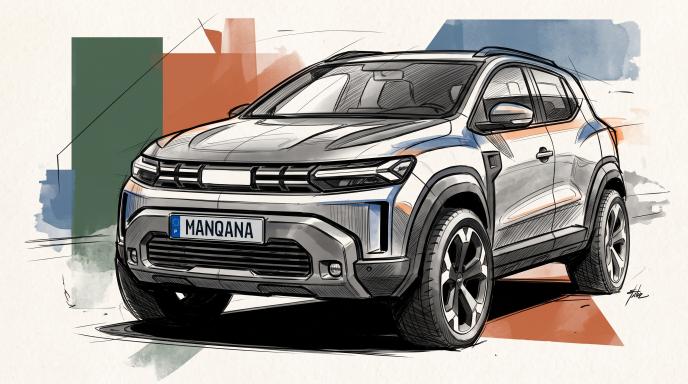
Howo 8x4 — 940 mm
In the Howo catalogue, the name 8x4 identifies a heavy-duty chassis oriented toward regional and long-distance haulage. The 8x4 suffix identifies the wheel arrangement, which directly affects load distribution, traction, and intended duty.
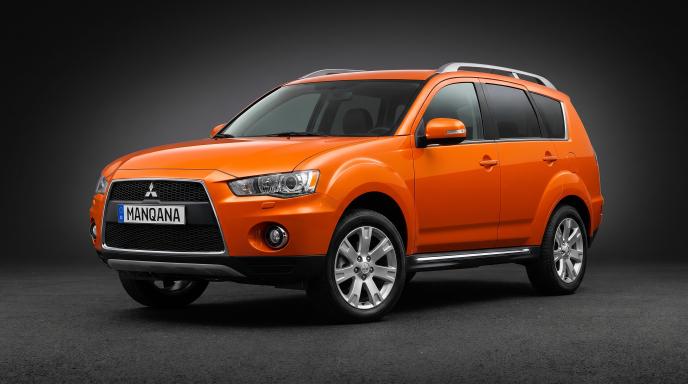
Mitsubishi Outlander — 950 mm
By purpose, the Mitsubishi Outlander is a versatile model for city use and travel best suited to family use with passengers and luggage. The elevated seating position helps visibility, while the practical body supports passengers and luggage. Special editions may depart from the regular range in both appearance and specification.
Howo 6x4 — 950 mm
Howo uses the 6x4 designation for a working vehicle for freight operations created with heavy-duty operation and specialist body installations in mind. The 6x4 suffix identifies the wheel arrangement, which directly affects load distribution, traction, and intended duty. Across its life cycle, the model may have changed significantly in size, interior design, and technology.