Cooling system
Vehicles with the largest value
Sany SRT Series — 300.0 l
The Sany SRT Series is aimed at customers looking for a high-output road car for driver-focused use on engaging roads. One version may behave like a fast road car, while another can be a far more focused sporting derivative.
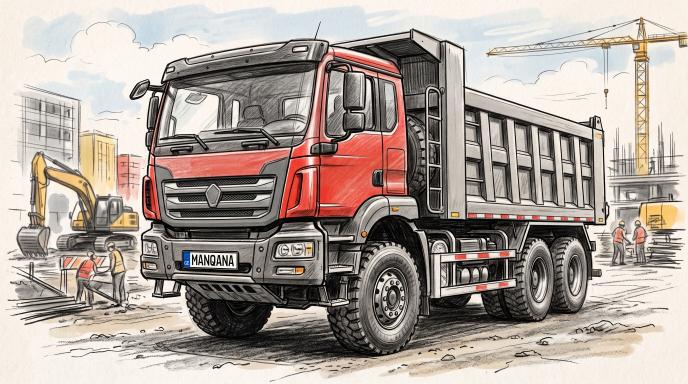
Opel Vectra — 233.0 l
In the Opel family, the Vectra serves as a model from a mainstream or specialist segment adapted to buyers comparing size, price, and equipment. Its character depends on generation, as body styles, engines, transmissions, equipment, and safety all evolve. A single name may cover several generations, so the details of an individual vehicle should be verified separately.

Sany SET Series — 170.0 l
The Sany SET Series is aimed at customers looking for a series-production road model for daily trips in town and on the highway. When choosing a used example, year, body type, powertrain, and vehicle history are important. Market-specific naming can hide meaningful differences in equipment and mechanical layout.
Sany SRT Series — 100.0 l
The Sany SRT Series is aimed at customers looking for a high-output road car for driver-focused use on engaging roads. One version may behave like a fast road car, while another can be a far more focused sporting derivative.
Sany SKT Series — 86.0 l
The Sany SKT Series can be described as a passenger car for buyers comparing size, price, and equipment. Its strengths are shaped by class, body layout, and the market for which a particular version was developed. Confirming the engine code and trim helps avoid confusion between visually similar versions.
Ford F-MAX — 57.0 l
The F-MAX gives Ford a commercial truck tailored to freight and vocational applications. The chassis may support a platform, box body, tipper, tanker, or specialist installation. Before comparing examples, it is useful to identify the generation, derivative, and original market.
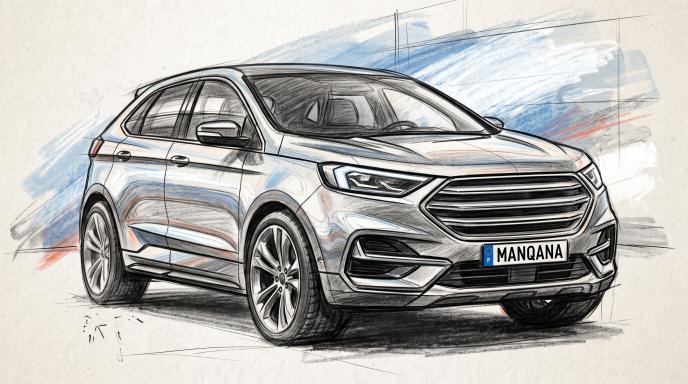
Sany ADT — 55.0 l
Sany uses the ADT designation for a series-production road model created with buyers comparing size, price, and equipment in mind. The ownership experience may change substantially with engine, gearbox, and trim level. Market-specific naming can hide meaningful differences in equipment and mechanical layout.
Volvo FH — 48.0 l
Volvo uses the FH designation for a car offering a high level of equipment created with demanding buyers who notice fine details in mind. The model's value is expressed through cabin detail, suspension calibration, and long-distance ease.

Vehicles with the smallest value
Ford Fiesta — 2.5 l
In the Ford catalogue, the name Fiesta identifies a model from a mainstream or specialist segment oriented toward routine operation within its market class. Regional derivatives can differ enough to make a model name alone an incomplete description. Real-world qualities depend on body style, powertrain, and the selected equipment level.
Mercedes-Benz W136 — 4.0 l
The Mercedes-Benz W136 can be described as a luxury-oriented road car for owners who value cabin materials and technology. The alphanumeric code W136 functions as a factory designation for a family or specific configuration rather than a conventional marketing name.

Ford Fiesta — 4.5 l
In the Ford catalogue, the name Fiesta identifies a model from a mainstream or specialist segment oriented toward routine operation within its market class. Regional derivatives can differ enough to make a model name alone an incomplete description. Real-world qualities depend on body style, powertrain, and the selected equipment level.
Honda Civic — 4.5 l
At Honda, the name Civic is associated with a vehicle for everyday use and the demands of general everyday motoring. When choosing a used example, year, body type, powertrain, and vehicle history are important.

Chevrolet Cobalt — 5.0 l
The Chevrolet Cobalt is a technology-led car with electric assistance developed primarily for efficient mobility and a digital user experience. Practical performance depends on battery capacity, climate, wheels, and driving style.

Chevrolet Onix — 5.0 l
At Chevrolet, the name Onix is associated with a battery-electric or hybrid vehicle and the demands of efficient mobility and a digital user experience. Variants may differ in drive layout, power, battery size, and rapid-charging capability.
