Permissible trailer weight with brakes
Vehicles with the largest value
SITRAK C7H — 130,000 kg
As part of the SITRAK portfolio, the C7H answers the demand for a platform for transport and specialist bodies suited to jobs where durability and chassis configuration are critical. The same model name may cover configurations intended for very different industries. The factory specification for the relevant model year is the best reference for precise data.
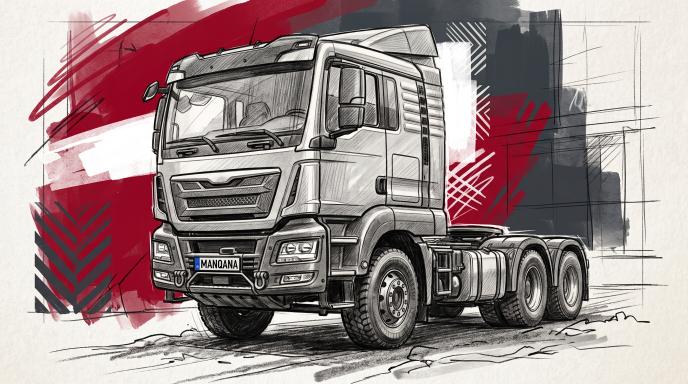
FAW J6 CA3310 — 69,600 kg
The FAW J6 CA3310 is a passenger car developed primarily for daily trips in town and on the highway. Its strengths are shaped by class, body layout, and the market for which a particular version was developed.

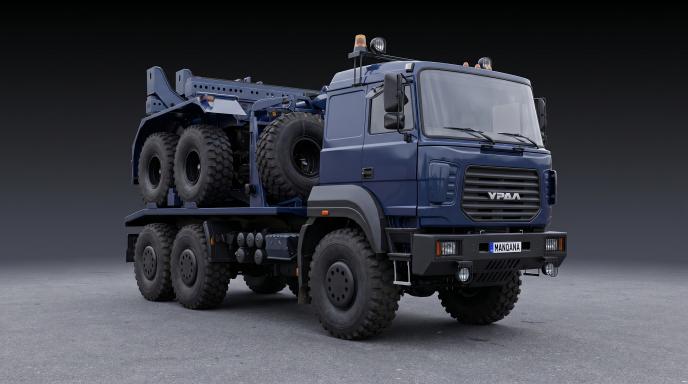
Ural 6370 — 63,925 kg
The Ural 6370 can be described as a working vehicle for freight operations for heavy-duty operation and specialist body installations. The alphanumeric code 6370 functions as a factory designation for a family or specific configuration rather than a conventional marketing name. For rare or regional versions, VIN-based and official-catalogue checks are particularly useful.
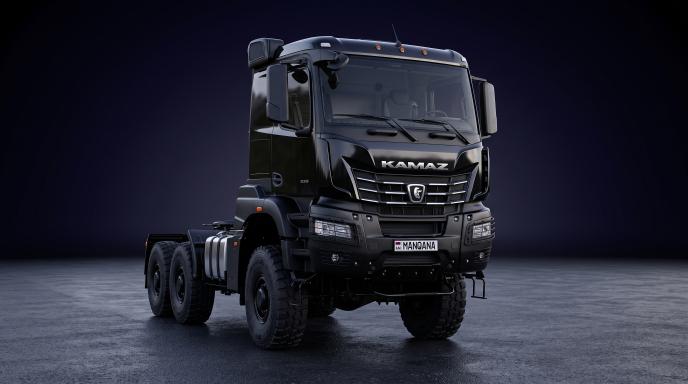
KamAZ 65954 — 62,300 kg
At KamAZ, the name 65954 is associated with a working vehicle for freight operations and the demands of heavy-duty operation and specialist body installations. The alphanumeric code 65954 functions as a factory designation for a family or specific configuration rather than a conventional marketing name.
FAW J6 CA3250 — 62,100 kg
The FAW J6 CA3250 was conceived as a model from a mainstream or specialist segment able to cover the needs of personal and family use. Versions are best compared by practicality, running costs, equipment, and condition.
FAW J6 CA4250 — 55,450 kg
In the FAW family, the J6 CA4250 serves as a general-purpose road car adapted to everything from short commutes to longer journeys. Versions are best compared by practicality, running costs, equipment, and condition. For rare or regional versions, VIN-based and official-catalogue checks are particularly useful.
Ural Next — 52,420 kg
The Ural Next was conceived as a platform for transport and specialist bodies able to cover the needs of heavy-duty operation and specialist body installations. Versions usually differ through wheel arrangement, duty cycle, cab design, and transmission setup. Even within one generation, engine, drivetrain, and option package can change the car's character.

Freightliner Cascadia — 50,000 kg
The Freightliner Cascadia was conceived as a purpose-built commercial vehicle able to cover the needs of regional and long-distance haulage. The same model name may cover configurations intended for very different industries. Before comparing examples, it is useful to identify the generation, derivative, and original market.

Vehicles with the smallest value
Ford Fiesta — 100 kg
In the Ford catalogue, the name Fiesta identifies a model from a mainstream or specialist segment oriented toward routine operation within its market class. Regional derivatives can differ enough to make a model name alone an incomplete description. Real-world qualities depend on body style, powertrain, and the selected equipment level.
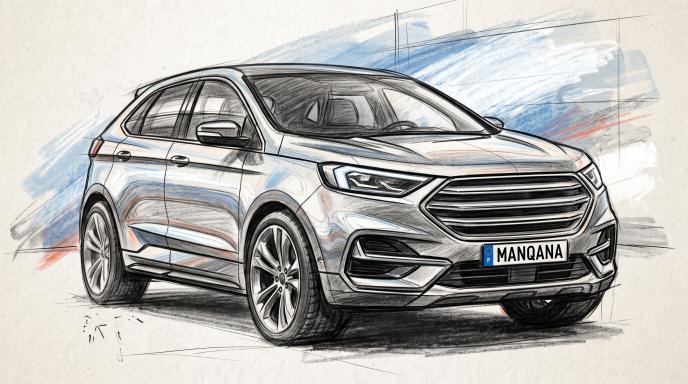
SEAT Cordoba — 100 kg
The SEAT Cordoba approaches its segment as a member of the brand's passenger-car range built around buyers comparing size, price, and equipment. Regional derivatives can differ enough to make a model name alone an incomplete description. Market-specific naming can hide meaningful differences in equipment and mechanical layout.
Toyota Corolla — 130 kg
In the Toyota catalogue, the name Corolla identifies a vehicle for everyday use oriented toward buyers comparing size, price, and equipment. The ownership experience may change substantially with engine, gearbox, and trim level. Confirming the engine code and trim helps avoid confusion between visually similar versions.

Ford Escort — 250 kg
The main role of the Ford Escort is to be a model from a mainstream or specialist segment convenient for routine operation within its market class. The ownership experience may change substantially with engine, gearbox, and trim level.
Ford Fiesta — 300 kg
In the Ford catalogue, the name Fiesta identifies a model from a mainstream or specialist segment oriented toward routine operation within its market class. Regional derivatives can differ enough to make a model name alone an incomplete description. Real-world qualities depend on body style, powertrain, and the selected equipment level.
Ford Focus — 300 kg
The concept behind the Ford Focus centres on a member of the brand's passenger-car range and the requirements of daily trips in town and on the highway. The model may span several generations whose dimensions and engineering concepts do not fully match. The factory specification for the relevant model year is the best reference for precise data.
Mercedes-Benz E-Class — 300 kg
By purpose, the Mercedes-Benz E-Class is a premium passenger model best suited to owners who value cabin materials and technology. Each generation offers its own balance of comfort, handling, and technology. Market-specific naming can hide meaningful differences in equipment and mechanical layout.
