Maximum slow charging power
Vehicles with the largest value
BYD Tang — 170.0 kW
The BYD Tang approaches its segment as a series-production road model built around buyers comparing size, price, and equipment. The model may span several generations whose dimensions and engineering concepts do not fully match. A single name may cover several generations, so the details of an individual vehicle should be verified separately.
Porsche Taycan — 22.0 kW
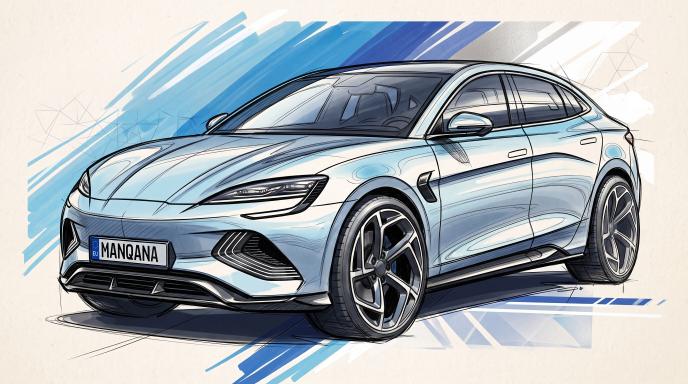
The Porsche Taycan can be described as a modern alternative-powertrain vehicle for efficient mobility and a digital user experience. The electric designation highlights battery propulsion, making usable range and charging conditions central to everyday suitability. Market-specific naming can hide meaningful differences in equipment and mechanical layout.

Porsche Cayenne — 22.0 kW
By purpose, the Porsche Cayenne is a vehicle focused on everyday practicality best suited to urban life with occasional travel beyond the city. A particular version may place more emphasis on urban comfort, passenger space, or ability away from asphalt. Engine, transmission, and equipment choices changed by generation and market.

Maserati GranCabrio — 22.0 kW
The Maserati GranCabrio was conceived as a open-top sports car able to cover the needs of drivers who value style and immediate responses. Words such as Spider, Roadster, or Cabriolet explicitly identify the open-body concept.

Lotus Eletre — 22.0 kW
The Lotus Eletre is a sporting member of the range developed primarily for emotion-led journeys and a sporting image. The most important changes are not always visible, as cooling, differential, and suspension revisions may define the car. Even within one generation, engine, drivetrain, and option package can change the car's character.
Renault Trafic — 22.0 kW
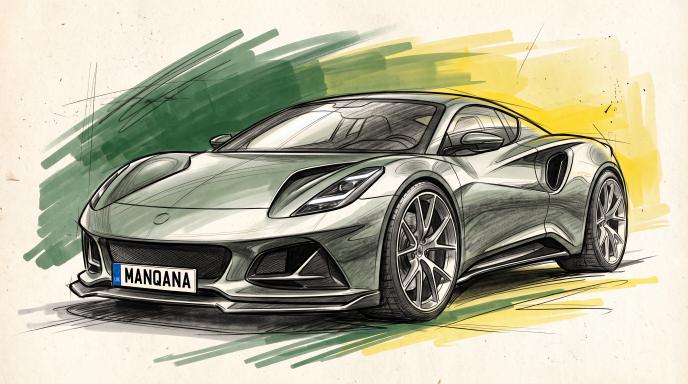
With the Trafic, Renault combines the format of a delivery-oriented model with the needs of daily commercial transport. Practicality is influenced by loading access, cargo-bay shape, and service availability. Engine, transmission, and equipment choices changed by generation and market.

Peugeot Partner — 22.0 kW
The Partner occupies the role of a adaptable commercial van in the history or product line of Peugeot, aimed at work where load volume and access are especially important. Conversion potential is often one of the most valuable qualities of this type of vehicle.

Toyota bZ4X Touring — 22.0 kW
The main role of the Toyota bZ4X Touring is to be a electrified vehicle convenient for daily routes supported by charging infrastructure. Variants may differ in drive layout, power, battery size, and rapid-charging capability.

Renault Scenic — 22.0 kW
In positioning terms, the Renault Scenic is closest to a series-production road model and suits buyers comparing size, price, and equipment. Its strengths are shaped by class, body layout, and the market for which a particular version was developed. For rare or regional versions, VIN-based and official-catalogue checks are particularly useful.

Renault Rafale — 22.0 kW
Within the Renault range, the Rafale is a vehicle for everyday use intended for everything from short commutes to longer journeys. Its strengths are shaped by class, body layout, and the market for which a particular version was developed. Exact specifications should be checked against model year, sales region, and trim level.
Nissan Ariya — 22.0 kW
By purpose, the Nissan Ariya is a electrified vehicle best suited to low-noise commuting and technology-rich operation. The electric designation highlights battery propulsion, making usable range and charging conditions central to everyday suitability. Before comparing examples, it is useful to identify the generation, derivative, and original market.

Mitsubishi Eclipse Cross — 22.0 kW
The Mitsubishi Eclipse Cross is a vehicle focused on everyday practicality developed primarily for family use with passengers and luggage. A Cross, Stepway, X-Line, Active, or Alltrack suffix generally adds protective styling and a more adventure-oriented presentation. Before comparing examples, it is useful to identify the generation, derivative, and original market.

Audi SQ6 e-tron Sportback — 22.0 kW
By purpose, the Audi SQ6 e-tron Sportback is a modern alternative-powertrain vehicle best suited to low-noise commuting and technology-rich operation. The Sportback label usually signals a more sloping roofline and a more expressive rear profile. Early and late versions can differ considerably in equipment and safety provisions.

Audi SQ6 e-tron — 22.0 kW
The Audi SQ6 e-tron was conceived as a new-energy model able to cover the needs of efficient mobility and a digital user experience. The electric designation highlights battery propulsion, making usable range and charging conditions central to everyday suitability. Before comparing examples, it is useful to identify the generation, derivative, and original market.
Audi Q6 e-tron Sportback — 22.0 kW
The Audi Q6 e-tron Sportback belongs to the category of model focused on digital features and efficiencys and is designed for efficient mobility and a digital user experience. The electric designation highlights battery propulsion, making usable range and charging conditions central to everyday suitability. Equipment and technical configuration vary between versions and regional specifications.
Audi Q6 e-tron — 22.0 kW
The Audi Q6 e-tron was conceived as a technology-led car with electric assistance able to cover the needs of markets with growing demand for new-energy vehicles. The electric designation highlights battery propulsion, making usable range and charging conditions central to everyday suitability. Before comparing examples, it is useful to identify the generation, derivative, and original market.
Tesla Model 3 — 11.5 kW
The Model 3 gives Tesla a new-energy model tailored to efficient mobility and a digital user experience. Software features and energy-management strategy strongly influence the ownership experience.

Tesla Cybertruck — 11.5 kW
At Tesla, the name Cybertruck is associated with a battery-electric or hybrid vehicle and the demands of drivers interested in electric or hybrid propulsion. Software features and energy-management strategy strongly influence the ownership experience. Equipment and technical configuration vary between versions and regional specifications.

Weltmeister EX6 — 11.2 kW
The Weltmeister EX6 is aimed at customers looking for a model focused on digital features and efficiency for drivers interested in electric or hybrid propulsion. Practical performance depends on battery capacity, climate, wheels, and driving style.
Weltmeister EX5-Z — 11.2 kW
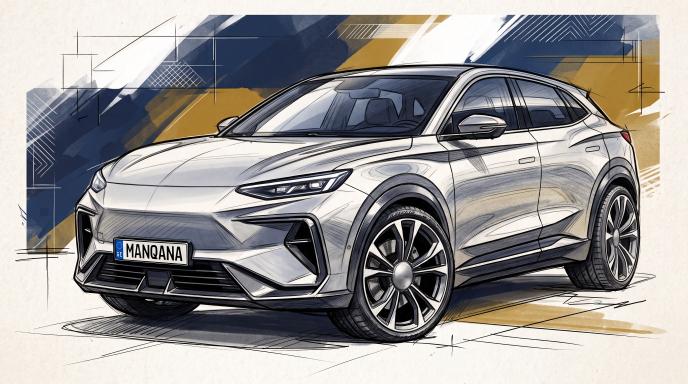
Weltmeister uses the EX5-Z designation for a technology-led car with electric assistance created with low-noise commuting and technology-rich operation in mind. Variants may differ in drive layout, power, battery size, and rapid-charging capability.
Weltmeister EX5 — 11.2 kW
With the EX5, Weltmeister combines the format of a modern alternative-powertrain vehicle with the needs of low-noise commuting and technology-rich operation. Software features and energy-management strategy strongly influence the ownership experience.
Moskvich 3rd — 11.0 kW
The Moskvich 3rd is aimed at customers looking for a general-purpose road car for general everyday motoring. When choosing a used example, year, body type, powertrain, and vehicle history are important.

Stelato S9 — 11.0 kW
With the S9, Stelato combines the format of a new-energy model with the needs of quiet urban driving and modern everyday use. Practical performance depends on battery capacity, climate, wheels, and driving style. Before comparing examples, it is useful to identify the generation, derivative, and original market.
Seres M7 — 11.0 kW
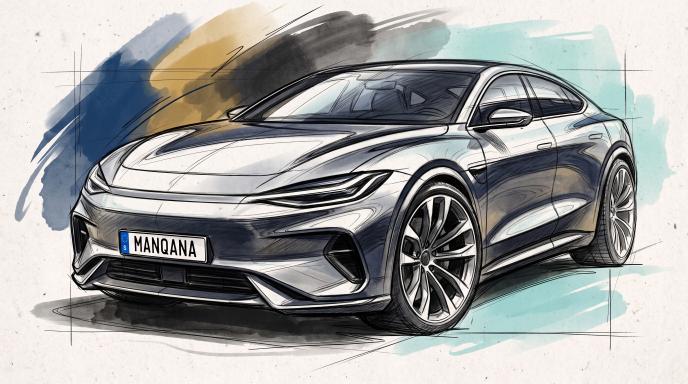
In the Seres family, the M7 serves as a member of the brand's passenger-car range adapted to personal and family use. When choosing a used example, year, body type, powertrain, and vehicle history are important. Real-world qualities depend on body style, powertrain, and the selected equipment level.
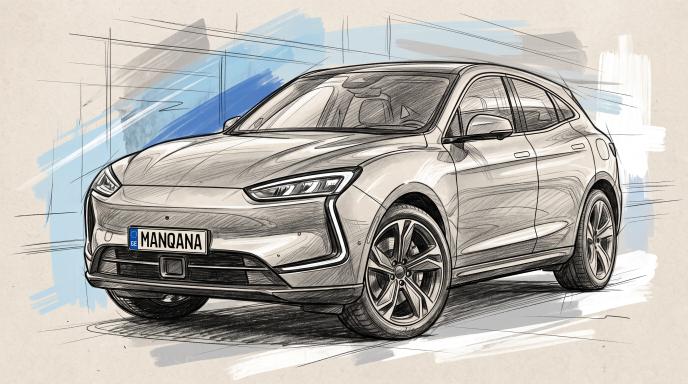
Seres M5 — 11.0 kW
The M5 occupies the role of a model from a mainstream or specialist segment in the history or product line of Seres, aimed at daily trips in town and on the highway. Its strengths are shaped by class, body layout, and the market for which a particular version was developed. Across its life cycle, the model may have changed significantly in size, interior design, and technology.
Porsche Taycan — 11.0 kW
The Porsche Taycan can be described as a modern alternative-powertrain vehicle for efficient mobility and a digital user experience. The electric designation highlights battery propulsion, making usable range and charging conditions central to everyday suitability. Market-specific naming can hide meaningful differences in equipment and mechanical layout.

Vehicles with the smallest value
Peugeot 508 — 1.8 kW
The main role of the Peugeot 508 is to be a series-production road model convenient for daily trips in town and on the highway. The alphanumeric code 508 functions as a factory designation for a family or specific configuration rather than a conventional marketing name. Real-world qualities depend on body style, powertrain, and the selected equipment level.
Changan Lumin — 2.0 kW
In the Changan family, the Lumin serves as a passenger car adapted to personal and family use. Its strengths are shaped by class, body layout, and the market for which a particular version was developed. Confirming the engine code and trim helps avoid confusion between visually similar versions.
Audi A3 — 2.3 kW
By purpose, the Audi A3 is a upmarket member of the range best suited to long-distance comfort and refined daily driving. Each generation offers its own balance of comfort, handling, and technology. Real-world qualities depend on body style, powertrain, and the selected equipment level.
Kia Sportage — 2.3 kW
Within the Kia range, the Sportage is a member of the SUV range intended for city streets, highways, and uneven surfaces. Some derivatives are essentially city crossovers, while others are engineered for more demanding terrain. Real-world qualities depend on body style, powertrain, and the selected equipment level.

Mazda CX-6e — 3.3 kW
The Mazda CX-6e belongs to the category of member of the SUV ranges and is designed for a mix of comfort, space, and practicality. Some derivatives are essentially city crossovers, while others are engineered for more demanding terrain. Engine, transmission, and equipment choices changed by generation and market.

Mazda EZ-60 — 3.3 kW
In the Mazda family, the EZ-60 serves as a general-purpose road car adapted to routine operation within its market class. The model may span several generations whose dimensions and engineering concepts do not fully match. Even within one generation, engine, drivetrain, and option package can change the car's character.
Nissan N6 — 3.3 kW
In positioning terms, the Nissan N6 is closest to a model from a mainstream or specialist segment and suits personal and family use. Regional derivatives can differ enough to make a model name alone an incomplete description.
Toyota bZ3X — 3.3 kW
The concept behind the Toyota bZ3X centres on a series-production road model and the requirements of general everyday motoring. Its strengths are shaped by class, body layout, and the market for which a particular version was developed. Special editions may depart from the regular range in both appearance and specification.
Toyota Prius PHV — 3.3 kW
In the Toyota family, the Prius PHV serves as a series-production road model adapted to buyers comparing size, price, and equipment. The ownership experience may change substantially with engine, gearbox, and trim level.
Toyota Prius Prime — 3.3 kW
Toyota uses the Prius Prime designation for a series-production road model created with general everyday motoring in mind. Its character depends on generation, as body styles, engines, transmissions, equipment, and safety all evolve. Exact specifications should be checked against model year, sales region, and trim level.
BYD Frigate 07 — 3.3 kW
In the BYD catalogue, the name Frigate 07 identifies a general-purpose road car oriented toward buyers comparing size, price, and equipment. The ownership experience may change substantially with engine, gearbox, and trim level. For rare or regional versions, VIN-based and official-catalogue checks are particularly useful.
BYD Han — 3.3 kW
The BYD Han approaches its segment as a general-purpose road car built around personal and family use. The model may span several generations whose dimensions and engineering concepts do not fully match. Confirming the engine code and trim helps avoid confusion between visually similar versions.
BYD Qin Pro — 3.3 kW
The Qin Pro occupies the role of a passenger car in the history or product line of BYD, aimed at daily trips in town and on the highway. Regional derivatives can differ enough to make a model name alone an incomplete description.
BYD Song Plus — 3.3 kW
By purpose, the BYD Song Plus is a vehicle for everyday use best suited to everything from short commutes to longer journeys. A Grand, Max, Plus, Pro, or XL suffix helps distinguish a larger, better-equipped, or revised derivative within the family.
Changan Qiyuan Nevo A07 — 3.3 kW
By purpose, the Changan Qiyuan Nevo A07 is a series-production road model best suited to routine operation within its market class. The ownership experience may change substantially with engine, gearbox, and trim level.
Dongfeng Landian E5 — 3.3 kW
The Dongfeng Landian E5 was conceived as a general-purpose road car able to cover the needs of routine operation within its market class. The ownership experience may change substantially with engine, gearbox, and trim level. Early and late versions can differ considerably in equipment and safety provisions.
Dongfeng Landian E5 Plus — 3.3 kW
Dongfeng uses the Landian E5 Plus designation for a series-production road model created with personal and family use in mind. A Grand, Max, Plus, Pro, or XL suffix helps distinguish a larger, better-equipped, or revised derivative within the family. Before comparing examples, it is useful to identify the generation, derivative, and original market.