CO₂ emissions
Vehicles with the largest value
MINI Cabrio — 1,458.0 g/km
The MINI Cabrio belongs to the category of open-top sports cars and is designed for active driving on winding roads. Words such as Spider, Roadster, or Cabriolet explicitly identify the open-body concept. A single name may cover several generations, so the details of an individual vehicle should be verified separately.

Bugatti Veyron — 596.0 g/km
The Bugatti Veyron approaches its segment as a high-output road car built around combining power, handling, and expressive styling. Compared with regular derivatives, such versions usually receive sharper chassis, brake, and powertrain tuning. Engine, transmission, and equipment choices changed by generation and market.
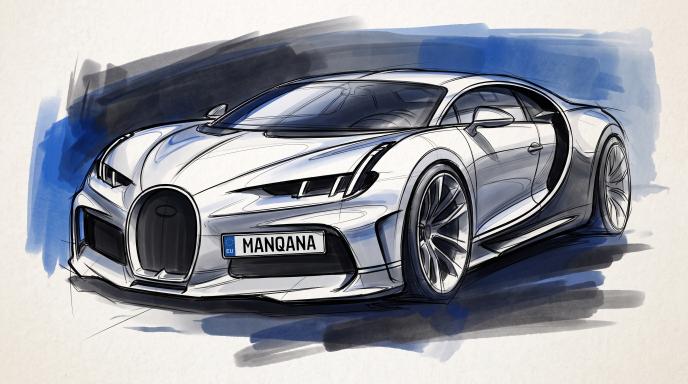
Lamborghini Diablo — 580.0 g/km
The main role of the Lamborghini Diablo is to be a high-output road car convenient for emotion-led journeys and a sporting image. Compared with regular derivatives, such versions usually receive sharper chassis, brake, and powertrain tuning. Market-specific naming can hide meaningful differences in equipment and mechanical layout.

Bugatti Veyron — 539.0 g/km
The Bugatti Veyron approaches its segment as a high-output road car built around combining power, handling, and expressive styling. Compared with regular derivatives, such versions usually receive sharper chassis, brake, and powertrain tuning. Engine, transmission, and equipment choices changed by generation and market.
Lamborghini Diablo — 523.0 g/km
The main role of the Lamborghini Diablo is to be a high-output road car convenient for emotion-led journeys and a sporting image. Compared with regular derivatives, such versions usually receive sharper chassis, brake, and powertrain tuning. Market-specific naming can hide meaningful differences in equipment and mechanical layout.
Lamborghini Murcielago — 521.0 g/km
Within the Lamborghini range, the Murcielago is a model developed around speed and handling intended for buyers seeking a sharper character than a regular road model. Output and overall intensity can vary greatly between generations and limited editions. Special editions may depart from the regular range in both appearance and specification.
Bugatti Chiron — 516.0 g/km
The Chiron gives Bugatti a emotion-led performance derivative tailored to combining power, handling, and expressive styling. Output and overall intensity can vary greatly between generations and limited editions. Market-specific naming can hide meaningful differences in equipment and mechanical layout.
Lamborghini Diablo — 508.0 g/km
The main role of the Lamborghini Diablo is to be a high-output road car convenient for emotion-led journeys and a sporting image. Compared with regular derivatives, such versions usually receive sharper chassis, brake, and powertrain tuning. Market-specific naming can hide meaningful differences in equipment and mechanical layout.
Lamborghini Murcielago — 505.0 g/km
Within the Lamborghini range, the Murcielago is a model developed around speed and handling intended for buyers seeking a sharper character than a regular road model. Output and overall intensity can vary greatly between generations and limited editions. Special editions may depart from the regular range in both appearance and specification.
Lamborghini Aventador — 499.0 g/km
Within the Lamborghini range, the Aventador is a sporting member of the range intended for driver-focused use on engaging roads. Compared with regular derivatives, such versions usually receive sharper chassis, brake, and powertrain tuning. Even within one generation, engine, drivetrain, and option package can change the car's character.

Ferrari 575M Maranello — 499.0 g/km
At Ferrari, the name 575M Maranello is associated with a high-output road car and the demands of rapid acceleration and enthusiastic driving. The alphanumeric code 575M Maranello functions as a factory designation for a family or specific configuration rather than a conventional marketing name. Across its life cycle, the model may have changed significantly in size, interior design, and technology.

Lamborghini Murcielago — 495.0 g/km
Within the Lamborghini range, the Murcielago is a model developed around speed and handling intended for buyers seeking a sharper character than a regular road model. Output and overall intensity can vary greatly between generations and limited editions. Special editions may depart from the regular range in both appearance and specification.
Dodge Viper — 488.0 g/km
Dodge uses the Viper designation for a passenger car created with routine operation within its market class in mind. The ownership experience may change substantially with engine, gearbox, and trim level.

Ferrari F40 — 476.0 g/km
The F40 occupies the role of a performance-oriented sports model in the history or product line of Ferrari, aimed at driver-focused use on engaging roads. Output and overall intensity can vary greatly between generations and limited editions.

Ferrari 612 Scaglietti — 475.0 g/km
The main role of the Ferrari 612 Scaglietti is to be a sporting member of the range convenient for driver-focused use on engaging roads. The alphanumeric code 612 Scaglietti functions as a factory designation for a family or specific configuration rather than a conventional marketing name.
Bentley Brooklands — 465.0 g/km
In positioning terms, the Bentley Brooklands is closest to a upmarket member of the range and suits relaxed travel with a high level of convenience. Option packages can alter both atmosphere and usability more than the basic exterior suggests.

Bentley Arnage — 456.0 g/km
The main role of the Bentley Arnage is to be a car offering a high level of equipment convenient for long-distance comfort and refined daily driving. Each generation offers its own balance of comfort, handling, and technology. Real-world qualities depend on body style, powertrain, and the selected equipment level.

Lamborghini Aventador — 452.0 g/km
Within the Lamborghini range, the Aventador is a sporting member of the range intended for driver-focused use on engaging roads. Compared with regular derivatives, such versions usually receive sharper chassis, brake, and powertrain tuning. Even within one generation, engine, drivetrain, and option package can change the car's character.
Lamborghini Sian — 447.0 g/km
In the Lamborghini family, the Sian serves as a sporting member of the range adapted to buyers seeking a sharper character than a regular road model. Output and overall intensity can vary greatly between generations and limited editions.
Maserati Spyder — 435.0 g/km
In positioning terms, the Maserati Spyder is closest to a luxury-oriented road car and suits relaxed travel with a high level of convenience. Materials, acoustic comfort, ride quality, and electronic features are central to the experience. Special editions may depart from the regular range in both appearance and specification.

Maserati GranSport — 435.0 g/km
Within the Maserati range, the GranSport is a car offering a high level of equipment intended for long-distance comfort and refined daily driving. Specification can change the character from calm and executive to distinctly dynamic. Even within one generation, engine, drivetrain, and option package can change the car's character.
Maserati Coupe — 435.0 g/km
The Maserati Coupe belongs to the category of two-door or coupe-like derivatives and is designed for combining visual impact with road comfort. The Coupe name emphasises a sleeker silhouette and a more image-led interpretation of the range. Special editions may depart from the regular range in both appearance and specification.
Maserati Spyder — 430.0 g/km
In positioning terms, the Maserati Spyder is closest to a luxury-oriented road car and suits relaxed travel with a high level of convenience. Materials, acoustic comfort, ride quality, and electronic features are central to the experience. Special editions may depart from the regular range in both appearance and specification.
Toyota Land Cruiser — 405.0 g/km
The Toyota Land Cruiser can be described as a vehicle focused on everyday practicality for drivers seeking a high seating position and versatility. Tyre choice and wheel size can materially affect comfort and road behaviour. Even within one generation, engine, drivetrain, and option package can change the car's character.

Lamborghini Diablo — 401.0 g/km
The main role of the Lamborghini Diablo is to be a high-output road car convenient for emotion-led journeys and a sporting image. Compared with regular derivatives, such versions usually receive sharper chassis, brake, and powertrain tuning. Market-specific naming can hide meaningful differences in equipment and mechanical layout.
Mercedes-Benz G-Class — 400.0 g/km
The main role of the Mercedes-Benz G-Class is to be a upmarket member of the range convenient for demanding buyers who notice fine details. Seat design, sound insulation, infotainment, and driver assistance are especially important in this class.

Lamborghini Gallardo — 400.0 g/km
The Lamborghini Gallardo is aimed at customers looking for a high-output road car for buyers seeking a sharper character than a regular road model. Performance is paired with distinctive styling, stronger brakes, and driver-oriented calibration. Exact specifications should be checked against model year, sales region, and trim level.

Mercedes-Benz G-Class — 397.0 g/km
The main role of the Mercedes-Benz G-Class is to be a upmarket member of the range convenient for demanding buyers who notice fine details. Seat design, sound insulation, infotainment, and driver assistance are especially important in this class.
Bentley Flying Spur — 396.0 g/km
At Bentley, the name Flying Spur is associated with a business- or executive-class car and the demands of demanding buyers who notice fine details. Materials, acoustic comfort, ride quality, and electronic features are central to the experience. Even within one generation, engine, drivetrain, and option package can change the car's character.

Bentley Continental GT — 396.0 g/km
The Bentley Continental GT belongs to the category of upmarket member of the ranges and is designed for demanding buyers who notice fine details. Option packages can alter both atmosphere and usability more than the basic exterior suggests. Special editions may depart from the regular range in both appearance and specification.

Vehicles with the smallest value
Volkswagen Passat — 7.0 g/km
The Passat gives Volkswagen a general-purpose road car tailored to routine operation within its market class. When choosing a used example, year, body type, powertrain, and vehicle history are important. Engine, transmission, and equipment choices changed by generation and market.

Mercedes-Benz GLC Coupe — 10.0 g/km
At Mercedes-Benz, the name GLC Coupe is associated with a sleek personal car and the demands of daily use with a more emotional presentation. The Coupe name emphasises a sleeker silhouette and a more image-led interpretation of the range.
Volkswagen Tiguan — 11.0 g/km
The Volkswagen Tiguan was conceived as a multi-purpose high-riding model able to cover the needs of family use with passengers and luggage. Some derivatives are essentially city crossovers, while others are engineered for more demanding terrain. Special editions may depart from the regular range in both appearance and specification.

Mercedes-Benz GLC Coupe — 11.0 g/km
At Mercedes-Benz, the name GLC Coupe is associated with a sleek personal car and the demands of daily use with a more emotional presentation. The Coupe name emphasises a sleeker silhouette and a more image-led interpretation of the range.
BMW i3 — 12.0 g/km
In positioning terms, the BMW i3 is closest to a vehicle focused on comfort and finish quality and suits combining status, performance, and usability. Option packages can alter both atmosphere and usability more than the basic exterior suggests.

Cupra Terramar — 12.0 g/km
Within the Cupra range, the Terramar is a utility-oriented pickup intended for utility work without giving up passenger accommodation. Double-cab and single-cab derivatives often target noticeably different users. Exact specifications should be checked against model year, sales region, and trim level.
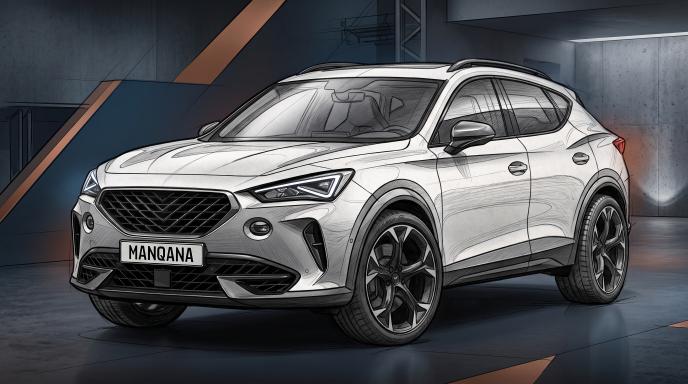
Mercedes-Benz E-Class — 12.0 g/km
By purpose, the Mercedes-Benz E-Class is a premium passenger model best suited to owners who value cabin materials and technology. Each generation offers its own balance of comfort, handling, and technology. Market-specific naming can hide meaningful differences in equipment and mechanical layout.
WEY 05 — 12.0 g/km
The 05 occupies the role of a model from a mainstream or specialist segment in the history or product line of WEY, aimed at routine operation within its market class. Its strengths are shaped by class, body layout, and the market for which a particular version was developed. Special editions may depart from the regular range in both appearance and specification.
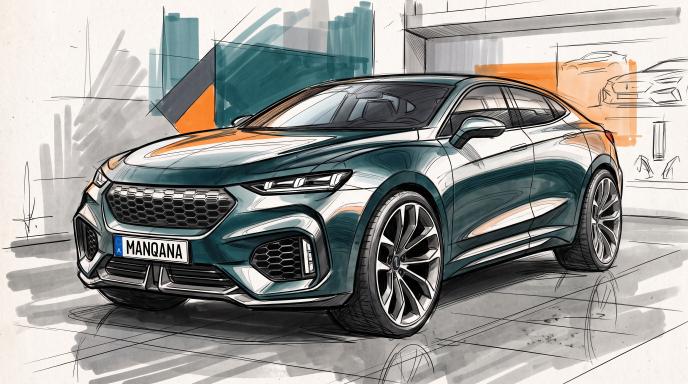
WEY Coffee 01 — 12.0 g/km
In the WEY family, the Coffee 01 serves as a passenger car adapted to personal and family use. The ownership experience may change substantially with engine, gearbox, and trim level. Even within one generation, engine, drivetrain, and option package can change the car's character.
Mercedes-Benz E-Class — 13.0 g/km
By purpose, the Mercedes-Benz E-Class is a premium passenger model best suited to owners who value cabin materials and technology. Each generation offers its own balance of comfort, handling, and technology. Market-specific naming can hide meaningful differences in equipment and mechanical layout.
BMW 2-Series Active Tourer — 14.0 g/km
BMW uses the 2-Series Active Tourer designation for a vehicle focused on comfort and finish quality created with long-distance comfort and refined daily driving in mind. A Cross, Stepway, X-Line, Active, or Alltrack suffix generally adds protective styling and a more adventure-oriented presentation. Market-specific naming can hide meaningful differences in equipment and mechanical layout.
Mercedes-Benz E-Class — 14.0 g/km
By purpose, the Mercedes-Benz E-Class is a premium passenger model best suited to owners who value cabin materials and technology. Each generation offers its own balance of comfort, handling, and technology. Market-specific naming can hide meaningful differences in equipment and mechanical layout.