Front overhang
Vehicles with the largest value
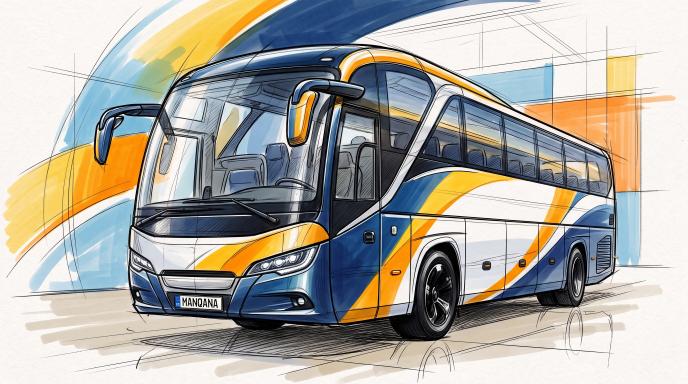
Neoplan Transliner — 3,330
Within the Neoplan range, the Transliner is a member of the brand's bus range intended for services involving frequent stops. Its practical value is shaped by passenger capacity, boarding convenience, and ease of maintenance. Even within one generation, engine, drivetrain, and option package can change the car's character.
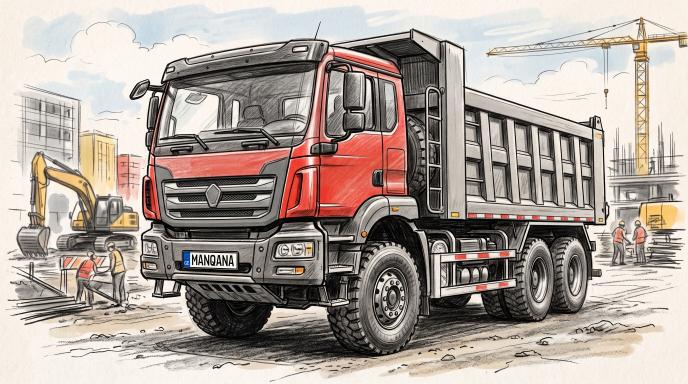
Sany ADT — 3,185
Sany uses the ADT designation for a series-production road model created with buyers comparing size, price, and equipment in mind. The ownership experience may change substantially with engine, gearbox, and trim level. Market-specific naming can hide meaningful differences in equipment and mechanical layout.
Neoplan Transliner — 3,065
Within the Neoplan range, the Transliner is a member of the brand's bus range intended for services involving frequent stops. Its practical value is shaped by passenger capacity, boarding convenience, and ease of maintenance. Even within one generation, engine, drivetrain, and option package can change the car's character.
Vehicles with the smallest value
Mercedes-Benz A-Class — 50
The main role of the Mercedes-Benz A-Class is to be a car offering a high level of equipment convenient for long-distance comfort and refined daily driving. Refinement is often measured by how naturally the car handles routine journeys. Market-specific naming can hide meaningful differences in equipment and mechanical layout.

Nissan Bassara — 52
In the Nissan family, the Bassara serves as a general-purpose road car adapted to buyers comparing size, price, and equipment. Versions are best compared by practicality, running costs, equipment, and condition. Equipment and technical configuration vary between versions and regional specifications.

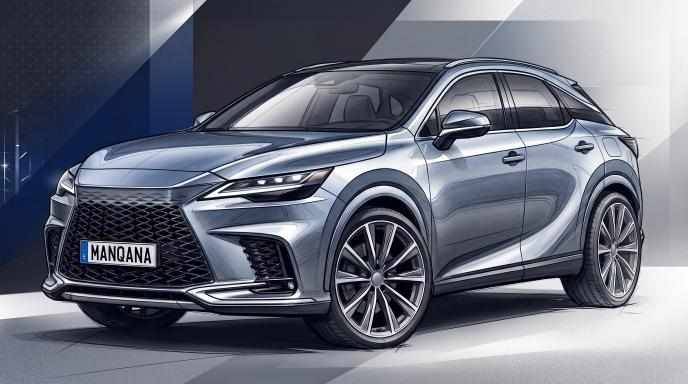
Lexus RX450h — 100
As part of the Lexus portfolio, the RX450h answers the demand for a premium passenger model suited to owners who value cabin materials and technology. The alphanumeric code RX450h functions as a factory designation for a family or specific configuration rather than a conventional marketing name. Equipment and technical configuration vary between versions and regional specifications.
Daihatsu Atrai — 122
In the Daihatsu catalogue, the name Atrai identifies a passenger car oriented toward daily trips in town and on the highway. Its character depends on generation, as body styles, engines, transmissions, equipment, and safety all evolve.

Piaggio Ape — 230
The Piaggio Ape can be described as a series-production road model for general everyday motoring. When choosing a used example, year, body type, powertrain, and vehicle history are important.
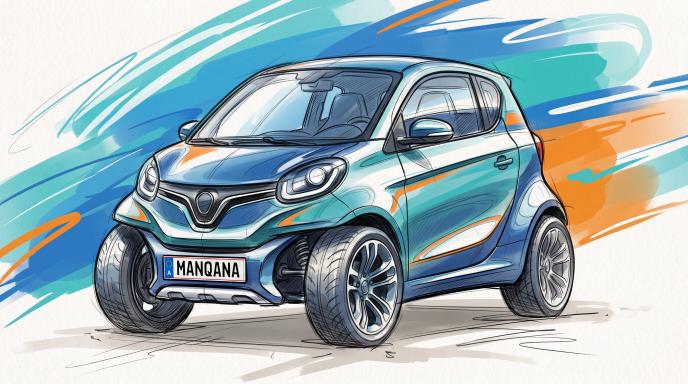
Renault Twizy — 313
The Renault Twizy belongs to the category of vehicle for everyday uses and is designed for everything from short commutes to longer journeys. The model may span several generations whose dimensions and engineering concepts do not fully match.

Freightliner Sprinter — 401
Within the Freightliner range, the Sprinter is a working vehicle for freight operations intended for freight and vocational applications. Versions usually differ through wheel arrangement, duty cycle, cab design, and transmission setup.

SsangYong Korando — 480
The Korando gives SsangYong a vehicle focused on everyday practicality tailored to city streets, highways, and uneven surfaces. Tyre choice and wheel size can materially affect comfort and road behaviour. Market-specific naming can hide meaningful differences in equipment and mechanical layout.
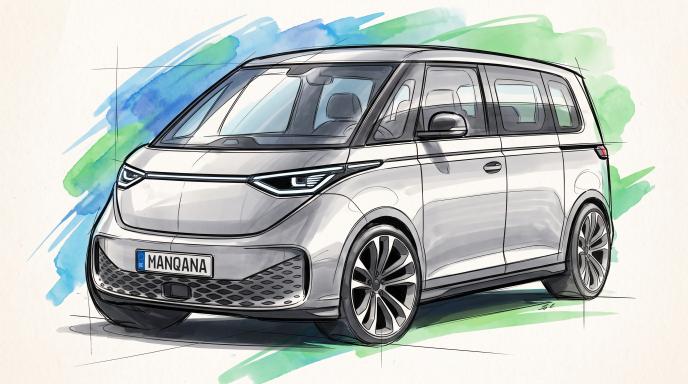
Peugeot iOn — 498
At Peugeot, the name iOn is associated with a model from a mainstream or specialist segment and the demands of buyers comparing size, price, and equipment. Regional derivatives can differ enough to make a model name alone an incomplete description.

Mitsubishi i-MiEV — 500
The i-MiEV gives Mitsubishi a model focused on digital features and efficiency tailored to efficient mobility and a digital user experience. Software features and energy-management strategy strongly influence the ownership experience. Even within one generation, engine, drivetrain, and option package can change the car's character.

Citroën C-Zero — 500
The concept behind the Citroën C-Zero centres on a battery-electric or hybrid vehicle and the requirements of daily routes supported by charging infrastructure. Efficiency figures are most meaningful when viewed alongside climate and route conditions. Equipment and technical configuration vary between versions and regional specifications.

Renault R5 — 504
In the Renault catalogue, the name R5 identifies a model from a mainstream or specialist segment oriented toward daily trips in town and on the highway. Its character depends on generation, as body styles, engines, transmissions, equipment, and safety all evolve.
Renault 4 — 528
In the Renault family, the 4 serves as a passenger car adapted to general everyday motoring. Its strengths are shaped by class, body layout, and the market for which a particular version was developed. Before comparing examples, it is useful to identify the generation, derivative, and original market.
Toyota iQ — 530
The Toyota iQ approaches its segment as a general-purpose road car built around buyers comparing size, price, and equipment. When choosing a used example, year, body type, powertrain, and vehicle history are important. Before comparing examples, it is useful to identify the generation, derivative, and original market.

Renault R5 — 533
In the Renault catalogue, the name R5 identifies a model from a mainstream or specialist segment oriented toward daily trips in town and on the highway. Its character depends on generation, as body styles, engines, transmissions, equipment, and safety all evolve.
Daihatsu Cuore — 550
By purpose, the Daihatsu Cuore is a general-purpose road car best suited to routine operation within its market class. The ownership experience may change substantially with engine, gearbox, and trim level. For rare or regional versions, VIN-based and official-catalogue checks are particularly useful.

Lada / VAZ 2101 — 588
With the 2101, Lada / VAZ combines the format of a general-purpose road car with the needs of general everyday motoring. The alphanumeric code 2101 functions as a factory designation for a family or specific configuration rather than a conventional marketing name.

Škoda Citigo — 599
The Citigo gives Škoda a series-production road model tailored to everything from short commutes to longer journeys. Its character depends on generation, as body styles, engines, transmissions, equipment, and safety all evolve. A single name may cover several generations, so the details of an individual vehicle should be verified separately.
