Fuel consumption in the urban cycle
Vehicles with the largest value
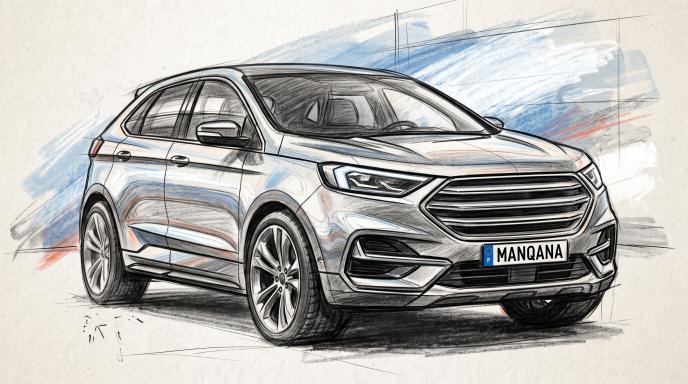
Ford Fairlane — 45.20 l/100 km
The concept behind the Ford Fairlane centres on a vehicle for everyday use and the requirements of buyers comparing size, price, and equipment. The ownership experience may change substantially with engine, gearbox, and trim level. Special editions may depart from the regular range in both appearance and specification.
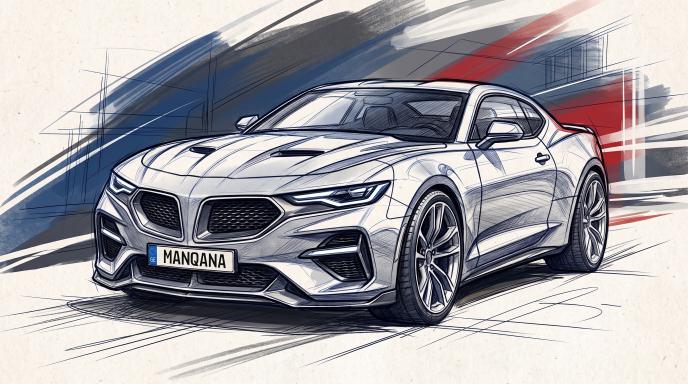
Pontiac GTO — 42.80 l/100 km
The Pontiac GTO was conceived as a sporting member of the range able to cover the needs of combining power, handling, and expressive styling. The sporting suffix marks a derivative with sharper tuning, stronger performance, or more purposeful styling. Exact specifications should be checked against model year, sales region, and trim level.
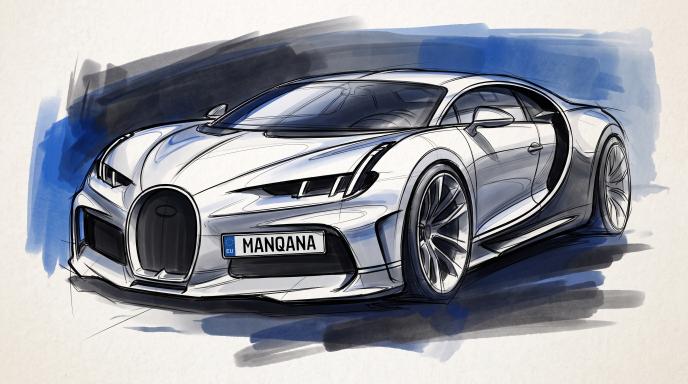
Bugatti Veyron — 41.90 l/100 km
The Bugatti Veyron approaches its segment as a high-output road car built around combining power, handling, and expressive styling. Compared with regular derivatives, such versions usually receive sharper chassis, brake, and powertrain tuning. Engine, transmission, and equipment choices changed by generation and market.
Pontiac GTO — 41.00 l/100 km
The Pontiac GTO was conceived as a sporting member of the range able to cover the needs of combining power, handling, and expressive styling. The sporting suffix marks a derivative with sharper tuning, stronger performance, or more purposeful styling. Exact specifications should be checked against model year, sales region, and trim level.
Dodge Dart — 40.90 l/100 km
The Dodge Dart was conceived as a passenger car able to cover the needs of general everyday motoring. Its strengths are shaped by class, body layout, and the market for which a particular version was developed. Exact specifications should be checked against model year, sales region, and trim level.

Pontiac Grand Prix — 40.90 l/100 km
The Grand Prix gives Pontiac a model from a mainstream or specialist segment tailored to buyers comparing size, price, and equipment. A Grand, Max, Plus, Pro, or XL suffix helps distinguish a larger, better-equipped, or revised derivative within the family.
Pontiac Bonneville — 40.90 l/100 km
In the Pontiac catalogue, the name Bonneville identifies a vehicle for everyday use oriented toward general everyday motoring. Versions are best compared by practicality, running costs, equipment, and condition.
Dodge Dart — 40.90 l/100 km
The Dodge Dart was conceived as a passenger car able to cover the needs of general everyday motoring. Its strengths are shaped by class, body layout, and the market for which a particular version was developed. Exact specifications should be checked against model year, sales region, and trim level.
Pontiac Grand Prix — 40.79 l/100 km
The Grand Prix gives Pontiac a model from a mainstream or specialist segment tailored to buyers comparing size, price, and equipment. A Grand, Max, Plus, Pro, or XL suffix helps distinguish a larger, better-equipped, or revised derivative within the family.
Pontiac Bonneville — 40.79 l/100 km
In the Pontiac catalogue, the name Bonneville identifies a vehicle for everyday use oriented toward general everyday motoring. Versions are best compared by practicality, running costs, equipment, and condition.
Chevrolet Monte Carlo — 40.60 l/100 km
The Monte Carlo gives Chevrolet a new-energy model tailored to drivers interested in electric or hybrid propulsion. Practical performance depends on battery capacity, climate, wheels, and driving style. For rare or regional versions, VIN-based and official-catalogue checks are particularly useful.

Dodge Dart — 40.50 l/100 km
The Dodge Dart was conceived as a passenger car able to cover the needs of general everyday motoring. Its strengths are shaped by class, body layout, and the market for which a particular version was developed. Exact specifications should be checked against model year, sales region, and trim level.
Dodge Charger — 40.50 l/100 km
The Dodge Charger approaches its segment as a passenger car built around personal and family use. Its character depends on generation, as body styles, engines, transmissions, equipment, and safety all evolve. Even within one generation, engine, drivetrain, and option package can change the car's character.
Bugatti Veyron — 40.40 l/100 km
The Bugatti Veyron approaches its segment as a high-output road car built around combining power, handling, and expressive styling. Compared with regular derivatives, such versions usually receive sharper chassis, brake, and powertrain tuning. Engine, transmission, and equipment choices changed by generation and market.
Pontiac GTO — 40.29 l/100 km
The Pontiac GTO was conceived as a sporting member of the range able to cover the needs of combining power, handling, and expressive styling. The sporting suffix marks a derivative with sharper tuning, stronger performance, or more purposeful styling. Exact specifications should be checked against model year, sales region, and trim level.
Dodge Charger — 39.90 l/100 km
The Dodge Charger approaches its segment as a passenger car built around personal and family use. Its character depends on generation, as body styles, engines, transmissions, equipment, and safety all evolve. Even within one generation, engine, drivetrain, and option package can change the car's character.
Dodge Dart — 39.60 l/100 km
The Dodge Dart was conceived as a passenger car able to cover the needs of general everyday motoring. Its strengths are shaped by class, body layout, and the market for which a particular version was developed. Exact specifications should be checked against model year, sales region, and trim level.
Dodge Charger — 39.50 l/100 km
The Dodge Charger approaches its segment as a passenger car built around personal and family use. Its character depends on generation, as body styles, engines, transmissions, equipment, and safety all evolve. Even within one generation, engine, drivetrain, and option package can change the car's character.
Dodge Challenger — 39.40 l/100 km
The Dodge Challenger approaches its segment as a passenger car built around buyers comparing size, price, and equipment. The model may span several generations whose dimensions and engineering concepts do not fully match.

Dodge Charger — 39.10 l/100 km
The Dodge Charger approaches its segment as a passenger car built around personal and family use. Its character depends on generation, as body styles, engines, transmissions, equipment, and safety all evolve. Even within one generation, engine, drivetrain, and option package can change the car's character.
Pontiac GTO — 38.90 l/100 km
The Pontiac GTO was conceived as a sporting member of the range able to cover the needs of combining power, handling, and expressive styling. The sporting suffix marks a derivative with sharper tuning, stronger performance, or more purposeful styling. Exact specifications should be checked against model year, sales region, and trim level.
Dodge Dart — 38.79 l/100 km
The Dodge Dart was conceived as a passenger car able to cover the needs of general everyday motoring. Its strengths are shaped by class, body layout, and the market for which a particular version was developed. Exact specifications should be checked against model year, sales region, and trim level.
Bentley Arnage — 38.50 l/100 km
The main role of the Bentley Arnage is to be a car offering a high level of equipment convenient for long-distance comfort and refined daily driving. Each generation offers its own balance of comfort, handling, and technology. Real-world qualities depend on body style, powertrain, and the selected equipment level.

Dodge Charger — 38.29 l/100 km
The Dodge Charger approaches its segment as a passenger car built around personal and family use. Its character depends on generation, as body styles, engines, transmissions, equipment, and safety all evolve. Even within one generation, engine, drivetrain, and option package can change the car's character.
Pontiac GTO — 38.20 l/100 km
The Pontiac GTO was conceived as a sporting member of the range able to cover the needs of combining power, handling, and expressive styling. The sporting suffix marks a derivative with sharper tuning, stronger performance, or more purposeful styling. Exact specifications should be checked against model year, sales region, and trim level.
Pontiac Grand Prix — 38.20 l/100 km
The Grand Prix gives Pontiac a model from a mainstream or specialist segment tailored to buyers comparing size, price, and equipment. A Grand, Max, Plus, Pro, or XL suffix helps distinguish a larger, better-equipped, or revised derivative within the family.
Pontiac Bonneville — 38.20 l/100 km
In the Pontiac catalogue, the name Bonneville identifies a vehicle for everyday use oriented toward general everyday motoring. Versions are best compared by practicality, running costs, equipment, and condition.
Buick Skylark — 38.20 l/100 km
By purpose, the Buick Skylark is a series-production road model best suited to daily trips in town and on the highway. Regional derivatives can differ enough to make a model name alone an incomplete description.
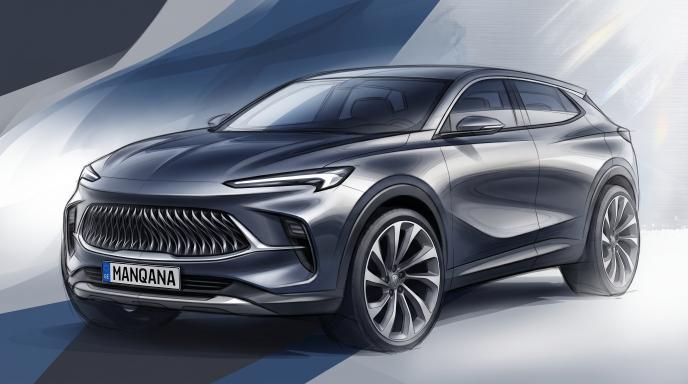
Ford Fairlane — 38.20 l/100 km
The concept behind the Ford Fairlane centres on a vehicle for everyday use and the requirements of buyers comparing size, price, and equipment. The ownership experience may change substantially with engine, gearbox, and trim level. Special editions may depart from the regular range in both appearance and specification.
Pontiac GTO — 38.10 l/100 km
The Pontiac GTO was conceived as a sporting member of the range able to cover the needs of combining power, handling, and expressive styling. The sporting suffix marks a derivative with sharper tuning, stronger performance, or more purposeful styling. Exact specifications should be checked against model year, sales region, and trim level.
Pontiac Bonneville — 38.10 l/100 km
In the Pontiac catalogue, the name Bonneville identifies a vehicle for everyday use oriented toward general everyday motoring. Versions are best compared by practicality, running costs, equipment, and condition.
Pontiac Grand Prix — 38.00 l/100 km
The Grand Prix gives Pontiac a model from a mainstream or specialist segment tailored to buyers comparing size, price, and equipment. A Grand, Max, Plus, Pro, or XL suffix helps distinguish a larger, better-equipped, or revised derivative within the family.
Lamborghini Diablo — 37.90 l/100 km
The main role of the Lamborghini Diablo is to be a high-output road car convenient for emotion-led journeys and a sporting image. Compared with regular derivatives, such versions usually receive sharper chassis, brake, and powertrain tuning. Market-specific naming can hide meaningful differences in equipment and mechanical layout.

Vehicles with the smallest value
Renault Captur — 1.70 l/100 km
The Captur occupies the role of a model from a mainstream or specialist segment in the history or product line of Renault, aimed at everything from short commutes to longer journeys. Its strengths are shaped by class, body layout, and the market for which a particular version was developed. Early and late versions can differ considerably in equipment and safety provisions.

Ford Fusion — 2.29 l/100 km
With the Fusion, Ford combines the format of a member of the brand's passenger-car range with the needs of everything from short commutes to longer journeys. The model may span several generations whose dimensions and engineering concepts do not fully match.
Honda Jazz — 2.40 l/100 km
The Honda Jazz approaches its segment as a passenger car built around buyers comparing size, price, and equipment. Its character depends on generation, as body styles, engines, transmissions, equipment, and safety all evolve.

Ford C-MAX — 2.50 l/100 km
Ford uses the C-MAX designation for a vehicle with a flexible cabin created with owners who value space and cabin flexibility in mind. A Grand, Max, Plus, Pro, or XL suffix helps distinguish a larger, better-equipped, or revised derivative within the family. Equipment and technical configuration vary between versions and regional specifications.
Ford Fusion — 2.50 l/100 km
With the Fusion, Ford combines the format of a member of the brand's passenger-car range with the needs of everything from short commutes to longer journeys. The model may span several generations whose dimensions and engineering concepts do not fully match.
Honda Jazz — 2.50 l/100 km
The Honda Jazz approaches its segment as a passenger car built around buyers comparing size, price, and equipment. Its character depends on generation, as body styles, engines, transmissions, equipment, and safety all evolve.
Toyota Aqua — 2.70 l/100 km
As part of the Toyota portfolio, the Aqua answers the demand for a member of the brand's passenger-car range suited to everything from short commutes to longer journeys. Its strengths are shaped by class, body layout, and the market for which a particular version was developed.

Toyota Yaris — 2.70 l/100 km
Within the Toyota range, the Yaris is a general-purpose road car intended for daily trips in town and on the highway. When choosing a used example, year, body type, powertrain, and vehicle history are important.
Toyota Aqua — 2.80 l/100 km
As part of the Toyota portfolio, the Aqua answers the demand for a member of the brand's passenger-car range suited to everything from short commutes to longer journeys. Its strengths are shaped by class, body layout, and the market for which a particular version was developed.
Toyota Yaris — 2.80 l/100 km
Within the Toyota range, the Yaris is a general-purpose road car intended for daily trips in town and on the highway. When choosing a used example, year, body type, powertrain, and vehicle history are important.
Toyota Aqua — 2.90 l/100 km
As part of the Toyota portfolio, the Aqua answers the demand for a member of the brand's passenger-car range suited to everything from short commutes to longer journeys. Its strengths are shaped by class, body layout, and the market for which a particular version was developed.
Toyota Prius — 2.90 l/100 km
The Toyota Prius is aimed at customers looking for a vehicle for everyday use for general everyday motoring. Its strengths are shaped by class, body layout, and the market for which a particular version was developed. Even within one generation, engine, drivetrain, and option package can change the car's character.
Toyota Aqua — 3.00 l/100 km
As part of the Toyota portfolio, the Aqua answers the demand for a member of the brand's passenger-car range suited to everything from short commutes to longer journeys. Its strengths are shaped by class, body layout, and the market for which a particular version was developed.
Honda HR-V — 3.10 l/100 km
Rather than serving a single narrow purpose, the Honda HR-V works as a multi-purpose high-riding model for daily driving and longer trips. Drivetrain, ground clearance, cabin volume, and suspension tuning are key points to compare. Special editions may depart from the regular range in both appearance and specification.
Suzuki Swace — 3.10 l/100 km
In the Suzuki catalogue, the name Swace identifies a series-production road model oriented toward routine operation within its market class. Versions are best compared by practicality, running costs, equipment, and condition. Equipment and technical configuration vary between versions and regional specifications.

Toyota Aqua — 3.10 l/100 km
As part of the Toyota portfolio, the Aqua answers the demand for a member of the brand's passenger-car range suited to everything from short commutes to longer journeys. Its strengths are shaped by class, body layout, and the market for which a particular version was developed.
Toyota Mirai — 3.10 l/100 km
With the Mirai, Toyota combines the format of a member of the brand's passenger-car range with the needs of general everyday motoring. Its strengths are shaped by class, body layout, and the market for which a particular version was developed. Across its life cycle, the model may have changed significantly in size, interior design, and technology.
Toyota Yaris Cross — 3.10 l/100 km
The Toyota Yaris Cross can be described as a member of the SUV range for family use with passengers and luggage. A particular version may place more emphasis on urban comfort, passenger space, or ability away from asphalt. Early and late versions can differ considerably in equipment and safety provisions.
Toyota Aqua — 3.20 l/100 km
As part of the Toyota portfolio, the Aqua answers the demand for a member of the brand's passenger-car range suited to everything from short commutes to longer journeys. Its strengths are shaped by class, body layout, and the market for which a particular version was developed.
Toyota Yaris — 3.20 l/100 km
Within the Toyota range, the Yaris is a general-purpose road car intended for daily trips in town and on the highway. When choosing a used example, year, body type, powertrain, and vehicle history are important.