Permissible front axle load
Vehicles with the largest value
SITRAK C7H — 19,000 kg
As part of the SITRAK portfolio, the C7H answers the demand for a platform for transport and specialist bodies suited to jobs where durability and chassis configuration are critical. The same model name may cover configurations intended for very different industries. The factory specification for the relevant model year is the best reference for precise data.
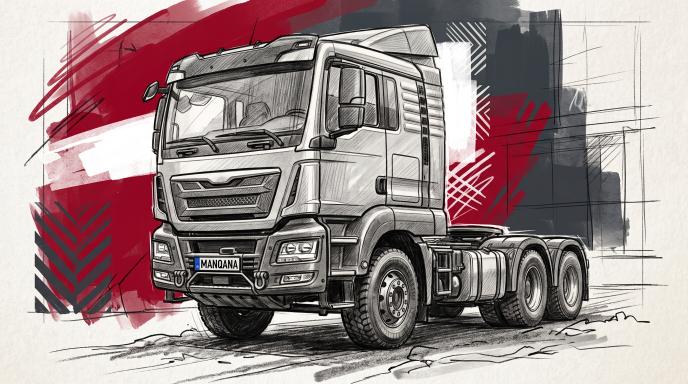
Renault Kerax — 18,000 kg
By purpose, the Renault Kerax is a passenger car best suited to personal and family use. Regional derivatives can differ enough to make a model name alone an incomplete description. Even within one generation, engine, drivetrain, and option package can change the car's character.

Vehicles with the smallest value
Audi 50 — 550 kg
As part of the Audi portfolio, the 50 answers the demand for a car offering a high level of equipment suited to long-distance comfort and refined daily driving. Option packages can alter both atmosphere and usability more than the basic exterior suggests.

IZh 2715 — 550 kg
The main role of the IZh 2715 is to be a series-production road model convenient for everything from short commutes to longer journeys. The alphanumeric code 2715 functions as a factory designation for a family or specific configuration rather than a conventional marketing name.
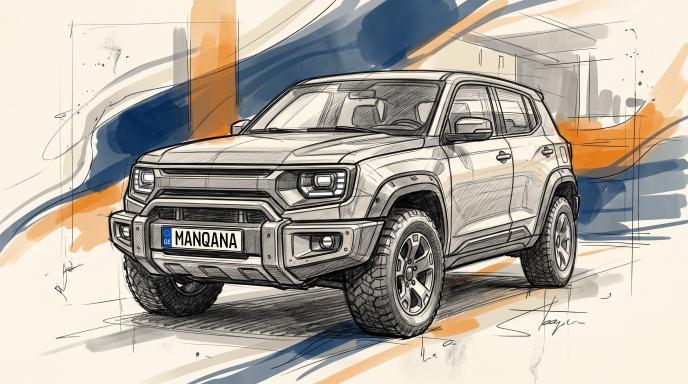
Renault Symbol — 580 kg
The main role of the Renault Symbol is to be a member of the brand's passenger-car range convenient for routine operation within its market class. The ownership experience may change substantially with engine, gearbox, and trim level.
LuAZ 969 — 600 kg
At LuAZ, the name 969 is associated with a member of the brand's passenger-car range and the demands of personal and family use. The alphanumeric code 969 functions as a factory designation for a family or specific configuration rather than a conventional marketing name. For rare or regional versions, VIN-based and official-catalogue checks are particularly useful.
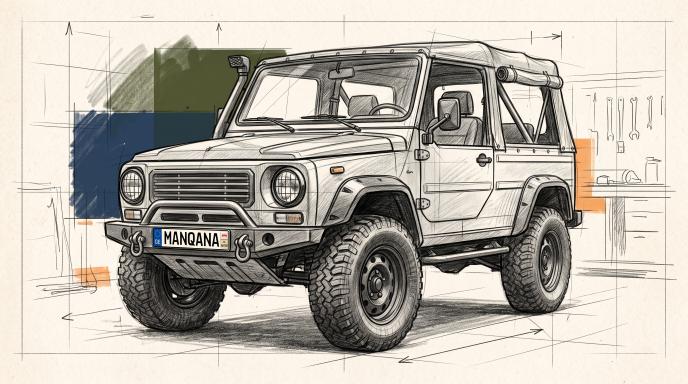
LuAZ 1302 — 600 kg
With the 1302, LuAZ combines the format of a passenger car with the needs of personal and family use. Its strengths are shaped by class, body layout, and the market for which a particular version was developed. Engine, transmission, and equipment choices changed by generation and market.
Mazda MX-5 — 610 kg
In the Mazda catalogue, the name MX-5 identifies a model from a mainstream or specialist segment oriented toward general everyday motoring. The model may span several generations whose dimensions and engineering concepts do not fully match. A single name may cover several generations, so the details of an individual vehicle should be verified separately.

Renault Symbol — 620 kg
The main role of the Renault Symbol is to be a member of the brand's passenger-car range convenient for routine operation within its market class. The ownership experience may change substantially with engine, gearbox, and trim level.
IZh 2715 — 625 kg
The main role of the IZh 2715 is to be a series-production road model convenient for everything from short commutes to longer journeys. The alphanumeric code 2715 functions as a factory designation for a family or specific configuration rather than a conventional marketing name.
Honda Civic — 630 kg
At Honda, the name Civic is associated with a vehicle for everyday use and the demands of general everyday motoring. When choosing a used example, year, body type, powertrain, and vehicle history are important.

Moskvich 412 — 630 kg
By purpose, the Moskvich 412 is a vehicle for everyday use best suited to general everyday motoring. The alphanumeric code 412 functions as a factory designation for a family or specific configuration rather than a conventional marketing name. The factory specification for the relevant model year is the best reference for precise data.
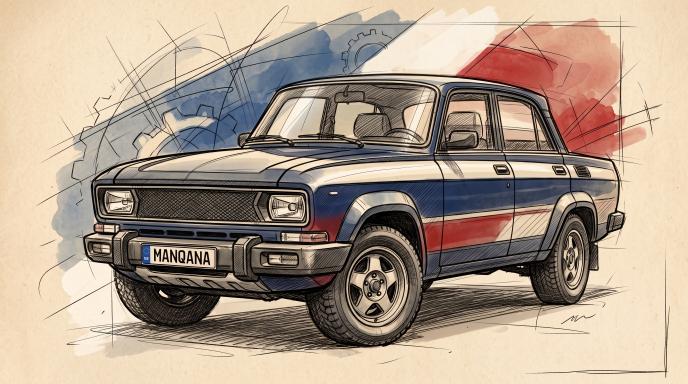
Moskvich 408 — 640 kg
Rather than serving a single narrow purpose, the Moskvich 408 works as a member of the brand's passenger-car range for buyers comparing size, price, and equipment. The alphanumeric code 408 functions as a factory designation for a family or specific configuration rather than a conventional marketing name. Engine, transmission, and equipment choices changed by generation and market.
Moskvich 426 — 640 kg
At Moskvich, the name 426 is associated with a passenger car and the demands of personal and family use. The alphanumeric code 426 functions as a factory designation for a family or specific configuration rather than a conventional marketing name.
Mazda Miata — 645 kg
In the Mazda family, the Miata serves as a general-purpose road car adapted to buyers comparing size, price, and equipment. Versions are best compared by practicality, running costs, equipment, and condition. Engine, transmission, and equipment choices changed by generation and market.
