Permissible gross weight
Vehicles with the largest value
Opel Vectra — 20,001,925 kg
In the Opel family, the Vectra serves as a model from a mainstream or specialist segment adapted to buyers comparing size, price, and equipment. Its character depends on generation, as body styles, engines, transmissions, equipment, and safety all evolve. A single name may cover several generations, so the details of an individual vehicle should be verified separately.

Sany SET Series — 390,000 kg
The Sany SET Series is aimed at customers looking for a series-production road model for daily trips in town and on the highway. When choosing a used example, year, body type, powertrain, and vehicle history are important. Market-specific naming can hide meaningful differences in equipment and mechanical layout.
Hongyan Genlyon — 315,000 kg
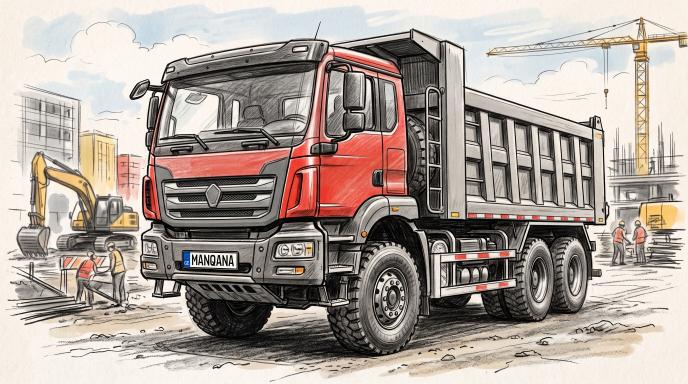
Within the Hongyan range, the Genlyon is a heavy-duty chassis intended for regional and long-distance haulage. For a fleet, gross weight, fuel use, repairability, and body compatibility become key considerations.
KamAZ 65225 — 281,150 kg
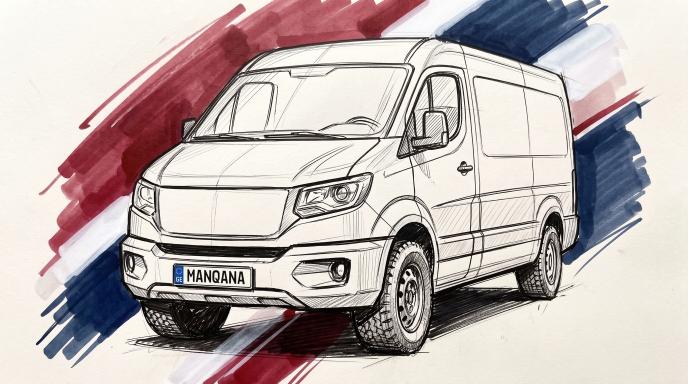
KamAZ uses the 65225 designation for a working vehicle for freight operations created with regional and long-distance haulage in mind. The alphanumeric code 65225 functions as a factory designation for a family or specific configuration rather than a conventional marketing name. For rare or regional versions, VIN-based and official-catalogue checks are particularly useful.

Sany SET Series — 241,000 kg
The Sany SET Series is aimed at customers looking for a series-production road model for daily trips in town and on the highway. When choosing a used example, year, body type, powertrain, and vehicle history are important. Market-specific naming can hide meaningful differences in equipment and mechanical layout.
Sany SKT Series — 163,000 kg
The Sany SKT Series can be described as a passenger car for buyers comparing size, price, and equipment. Its strengths are shaped by class, body layout, and the market for which a particular version was developed. Confirming the engine code and trim helps avoid confusion between visually similar versions.
Sany SRT Series — 160,000 kg
The Sany SRT Series is aimed at customers looking for a high-output road car for driver-focused use on engaging roads. One version may behave like a fast road car, while another can be a far more focused sporting derivative.
Sany SKT Series — 144,000 kg
The Sany SKT Series can be described as a passenger car for buyers comparing size, price, and equipment. Its strengths are shaped by class, body layout, and the market for which a particular version was developed. Confirming the engine code and trim helps avoid confusion between visually similar versions.
Hongyan BEV — 130,000 kg
The Hongyan BEV can be described as a commercial truck for freight and vocational applications. Operators typically judge such a vehicle by payload, component life, and driver working conditions.
Sany Semi-trailer Tractor — 120,000 kg
The Semi-trailer Tractor occupies the role of a passenger car in the history or product line of Sany, aimed at everything from short commutes to longer journeys. Its character depends on generation, as body styles, engines, transmissions, equipment, and safety all evolve. The factory specification for the relevant model year is the best reference for precise data.
Hongyan BEV — 120,000 kg
The Hongyan BEV can be described as a commercial truck for freight and vocational applications. Operators typically judge such a vehicle by payload, component life, and driver working conditions.
Sany SKT Series — 112,000 kg
The Sany SKT Series can be described as a passenger car for buyers comparing size, price, and equipment. Its strengths are shaped by class, body layout, and the market for which a particular version was developed. Confirming the engine code and trim helps avoid confusion between visually similar versions.
Sany SRT Series — 95,000 kg
The Sany SRT Series is aimed at customers looking for a high-output road car for driver-focused use on engaging roads. One version may behave like a fast road car, while another can be a far more focused sporting derivative.
Sany SKT Series — 92,000 kg
The Sany SKT Series can be described as a passenger car for buyers comparing size, price, and equipment. Its strengths are shaped by class, body layout, and the market for which a particular version was developed. Confirming the engine code and trim helps avoid confusion between visually similar versions.
Hongyan Kingkan — 90,000 kg
By purpose, the Hongyan Kingkan is a purpose-built commercial vehicle best suited to logistics, construction, or municipal work. Real operating suitability depends more on the exact chassis specification than on the badge alone.
Sany Semi-trailer Tractor — 80,000 kg
The Semi-trailer Tractor occupies the role of a passenger car in the history or product line of Sany, aimed at everything from short commutes to longer journeys. Its character depends on generation, as body styles, engines, transmissions, equipment, and safety all evolve. The factory specification for the relevant model year is the best reference for precise data.
Sany ADT — 75,000 kg
Sany uses the ADT designation for a series-production road model created with buyers comparing size, price, and equipment in mind. The ownership experience may change substantially with engine, gearbox, and trim level. Market-specific naming can hide meaningful differences in equipment and mechanical layout.
Sany SYZ Series — 70,000 kg
With the SYZ Series, Sany combines the format of a passenger car with the needs of everything from short commutes to longer journeys. When choosing a used example, year, body type, powertrain, and vehicle history are important. Across its life cycle, the model may have changed significantly in size, interior design, and technology.
Vehicles with the smallest value
Opel Astra — 170 kg
The concept behind the Opel Astra centres on a passenger car and the requirements of everything from short commutes to longer journeys. Regional derivatives can differ enough to make a model name alone an incomplete description. Exact specifications should be checked against model year, sales region, and trim level.

Audi A4 — 185 kg
The Audi A4 approaches its segment as a vehicle focused on comfort and finish quality built around comfortable business journeys and touring. Option packages can alter both atmosphere and usability more than the basic exterior suggests.

Volkswagen Golf — 216 kg
In the Volkswagen family, the Golf serves as a member of the brand's passenger-car range adapted to general everyday motoring. The ownership experience may change substantially with engine, gearbox, and trim level. The factory specification for the relevant model year is the best reference for precise data.

Nissan Safari — 250 kg
By purpose, the Nissan Safari is a passenger car best suited to general everyday motoring. Versions are best compared by practicality, running costs, equipment, and condition. Across its life cycle, the model may have changed significantly in size, interior design, and technology.

Audi A8 — 256 kg
In the Audi catalogue, the name A8 identifies a premium passenger model oriented toward combining status, performance, and usability. Seat design, sound insulation, infotainment, and driver assistance are especially important in this class. The factory specification for the relevant model year is the best reference for precise data.

Nissan Safari — 350 kg
By purpose, the Nissan Safari is a passenger car best suited to general everyday motoring. Versions are best compared by practicality, running costs, equipment, and condition. Across its life cycle, the model may have changed significantly in size, interior design, and technology.
UAZ Bukhanka — 350 kg
The concept behind the UAZ Bukhanka centres on a passenger car and the requirements of daily trips in town and on the highway. Its character depends on generation, as body styles, engines, transmissions, equipment, and safety all evolve.

Opel Calibra — 385 kg
At Opel, the name Calibra is associated with a series-production road model and the demands of buyers comparing size, price, and equipment. The model may span several generations whose dimensions and engineering concepts do not fully match. Equipment and technical configuration vary between versions and regional specifications.
Nissan Safari — 400 kg
By purpose, the Nissan Safari is a passenger car best suited to general everyday motoring. Versions are best compared by practicality, running costs, equipment, and condition. Across its life cycle, the model may have changed significantly in size, interior design, and technology.
KGM Musso — 400 kg
The concept behind the KGM Musso centres on a pickup with a separate load bed and the requirements of rural travel and practical duties. Tyres, suspension tuning, and load-bed accessories can significantly change day-to-day usefulness. Equipment and technical configuration vary between versions and regional specifications.
Opel Calibra — 415 kg
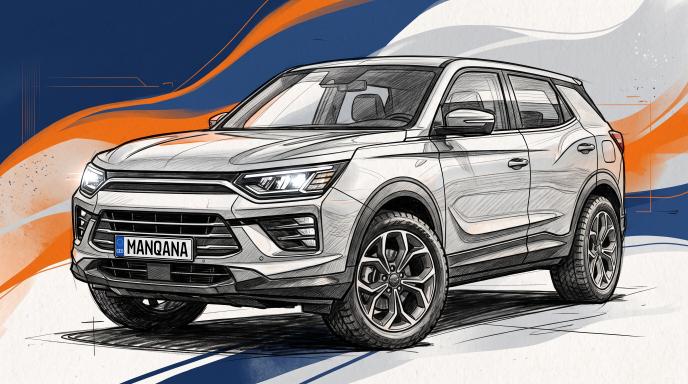
At Opel, the name Calibra is associated with a series-production road model and the demands of buyers comparing size, price, and equipment. The model may span several generations whose dimensions and engineering concepts do not fully match. Equipment and technical configuration vary between versions and regional specifications.
Nissan Teana — 437 kg
Within the Nissan range, the Teana is a member of the brand's passenger-car range intended for buyers comparing size, price, and equipment. Its strengths are shaped by class, body layout, and the market for which a particular version was developed.
Opel Calibra — 445 kg
At Opel, the name Calibra is associated with a series-production road model and the demands of buyers comparing size, price, and equipment. The model may span several generations whose dimensions and engineering concepts do not fully match. Equipment and technical configuration vary between versions and regional specifications.
Nissan Safari — 500 kg
By purpose, the Nissan Safari is a passenger car best suited to general everyday motoring. Versions are best compared by practicality, running costs, equipment, and condition. Across its life cycle, the model may have changed significantly in size, interior design, and technology.