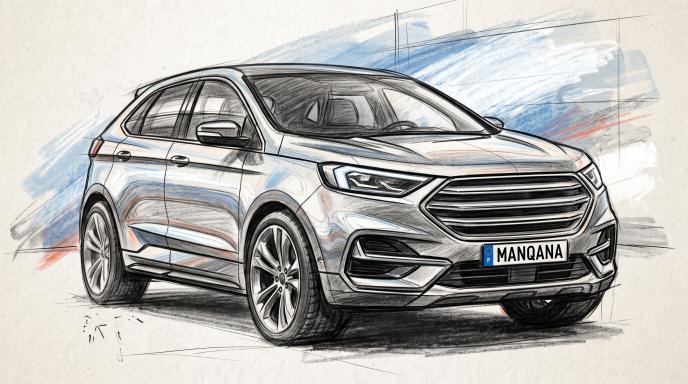
Maximum load capacity
Vehicles with the largest value
Sany SET Series — 220,000 kg
The Sany SET Series is aimed at customers looking for a series-production road model for daily trips in town and on the highway. When choosing a used example, year, body type, powertrain, and vehicle history are important. Market-specific naming can hide meaningful differences in equipment and mechanical layout.
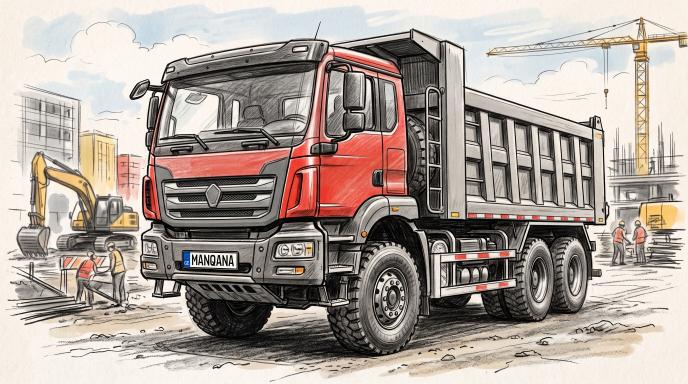
Sany Semi-trailer Tractor — 108,000 kg
The Semi-trailer Tractor occupies the role of a passenger car in the history or product line of Sany, aimed at everything from short commutes to longer journeys. Its character depends on generation, as body styles, engines, transmissions, equipment, and safety all evolve. The factory specification for the relevant model year is the best reference for precise data.
Sany SKT Series — 100,000 kg
The Sany SKT Series can be described as a passenger car for buyers comparing size, price, and equipment. Its strengths are shaped by class, body layout, and the market for which a particular version was developed. Confirming the engine code and trim helps avoid confusion between visually similar versions.
Sany SRT Series — 95,000 kg
The Sany SRT Series is aimed at customers looking for a high-output road car for driver-focused use on engaging roads. One version may behave like a fast road car, while another can be a far more focused sporting derivative.
Sany SKT Series — 90,000 kg
The Sany SKT Series can be described as a passenger car for buyers comparing size, price, and equipment. Its strengths are shaped by class, body layout, and the market for which a particular version was developed. Confirming the engine code and trim helps avoid confusion between visually similar versions.
Hongyan BEV — 85,000 kg
The Hongyan BEV can be described as a commercial truck for freight and vocational applications. Operators typically judge such a vehicle by payload, component life, and driver working conditions.
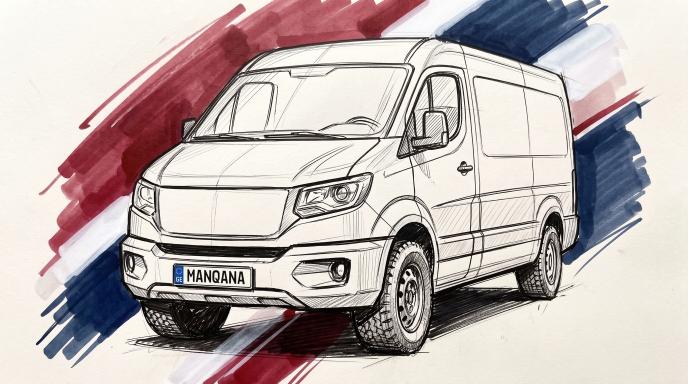
Hongyan Kingkan — 80,330 kg
By purpose, the Hongyan Kingkan is a purpose-built commercial vehicle best suited to logistics, construction, or municipal work. Real operating suitability depends more on the exact chassis specification than on the badge alone.
Hongyan BEV — 78,000 kg
The Hongyan BEV can be described as a commercial truck for freight and vocational applications. Operators typically judge such a vehicle by payload, component life, and driver working conditions.
Sany SKT Series — 72,000 kg
The Sany SKT Series can be described as a passenger car for buyers comparing size, price, and equipment. Its strengths are shaped by class, body layout, and the market for which a particular version was developed. Confirming the engine code and trim helps avoid confusion between visually similar versions.
Sany Semi-trailer Tractor — 70,800 kg
The Semi-trailer Tractor occupies the role of a passenger car in the history or product line of Sany, aimed at everything from short commutes to longer journeys. Its character depends on generation, as body styles, engines, transmissions, equipment, and safety all evolve. The factory specification for the relevant model year is the best reference for precise data.
Sany SKT Series — 60,000 kg
The Sany SKT Series can be described as a passenger car for buyers comparing size, price, and equipment. Its strengths are shaped by class, body layout, and the market for which a particular version was developed. Confirming the engine code and trim helps avoid confusion between visually similar versions.
Hongyan Kingkan — 56,200 kg
By purpose, the Hongyan Kingkan is a purpose-built commercial vehicle best suited to logistics, construction, or municipal work. Real operating suitability depends more on the exact chassis specification than on the badge alone.
Sany SRT Series — 55,000 kg
The Sany SRT Series is aimed at customers looking for a high-output road car for driver-focused use on engaging roads. One version may behave like a fast road car, while another can be a far more focused sporting derivative.
Kia Ceed — 49,475 kg
With the Ceed, Kia combines the format of a vehicle for everyday use with the needs of personal and family use. Versions are best compared by practicality, running costs, equipment, and condition. Real-world qualities depend on body style, powertrain, and the selected equipment level.

Sany SYZ Series — 48,500 kg
With the SYZ Series, Sany combines the format of a passenger car with the needs of everything from short commutes to longer journeys. When choosing a used example, year, body type, powertrain, and vehicle history are important. Across its life cycle, the model may have changed significantly in size, interior design, and technology.
Sany Semi-trailer Tractor — 47,000 kg
The Semi-trailer Tractor occupies the role of a passenger car in the history or product line of Sany, aimed at everything from short commutes to longer journeys. Its character depends on generation, as body styles, engines, transmissions, equipment, and safety all evolve. The factory specification for the relevant model year is the best reference for precise data.
Sany SYZ Series — 46,500 kg
With the SYZ Series, Sany combines the format of a passenger car with the needs of everything from short commutes to longer journeys. When choosing a used example, year, body type, powertrain, and vehicle history are important. Across its life cycle, the model may have changed significantly in size, interior design, and technology.
Vehicles with the smallest value
MAZ 4371 — 5 kg
The 4371 occupies the role of a commercial truck in the history or product line of MAZ, aimed at jobs where durability and chassis configuration are critical. The alphanumeric code 4371 functions as a factory designation for a family or specific configuration rather than a conventional marketing name. The factory specification for the relevant model year is the best reference for precise data.

Toyota COMS — 30 kg
The main role of the Toyota COMS is to be a model from a mainstream or specialist segment convenient for everything from short commutes to longer journeys. Versions are best compared by practicality, running costs, equipment, and condition. Early and late versions can differ considerably in equipment and safety provisions.

Mercedes-Benz W21 — 37 kg
At Mercedes-Benz, the name W21 is associated with a luxury-oriented road car and the demands of relaxed travel with a high level of convenience. The model's value is expressed through cabin detail, suspension calibration, and long-distance ease. For rare or regional versions, VIN-based and official-catalogue checks are particularly useful.

Toyota RAV4 — 39 kg
The Toyota RAV4 can be described as a versatile model for city use and travel for urban life with occasional travel beyond the city. Tyre choice and wheel size can materially affect comfort and road behaviour. Across its life cycle, the model may have changed significantly in size, interior design, and technology.
Volkswagen up! — 39 kg
Volkswagen uses the up! designation for a passenger car created with everything from short commutes to longer journeys in mind. Its strengths are shaped by class, body layout, and the market for which a particular version was developed. Early and late versions can differ considerably in equipment and safety provisions.
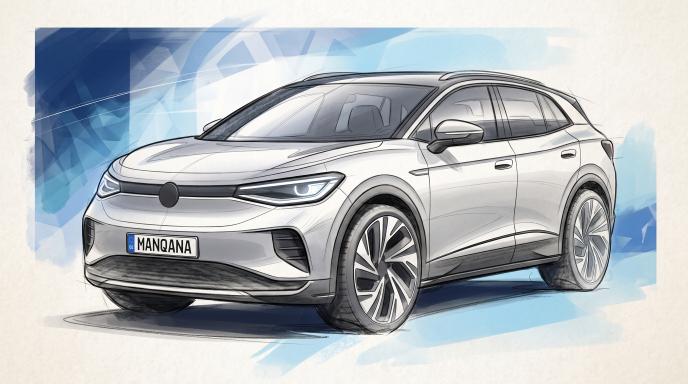
Nissan 350Z — 95 kg
In the Nissan catalogue, the name 350Z identifies a vehicle for everyday use oriented toward routine operation within its market class. The alphanumeric code 350Z functions as a factory designation for a family or specific configuration rather than a conventional marketing name.

Mercedes-Benz SLR McLaren — 100 kg
The Mercedes-Benz SLR McLaren can be described as a upmarket member of the range for long-distance comfort and refined daily driving. The model's value is expressed through cabin detail, suspension calibration, and long-distance ease.
Nissan 350Z — 115 kg
In the Nissan catalogue, the name 350Z identifies a vehicle for everyday use oriented toward routine operation within its market class. The alphanumeric code 350Z functions as a factory designation for a family or specific configuration rather than a conventional marketing name.
Smart Fortwo — 130 kg
As part of the Smart portfolio, the Fortwo answers the demand for a vehicle for everyday use suited to buyers comparing size, price, and equipment. Its character depends on generation, as body styles, engines, transmissions, equipment, and safety all evolve. Real-world qualities depend on body style, powertrain, and the selected equipment level.
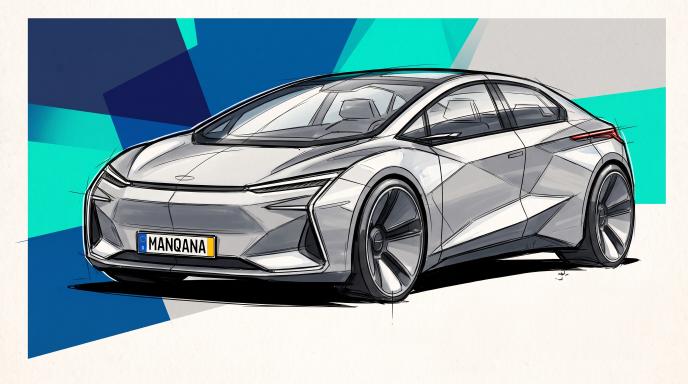
Renault Clio — 135 kg
The concept behind the Renault Clio centres on a model from a mainstream or specialist segment and the requirements of everything from short commutes to longer journeys. The ownership experience may change substantially with engine, gearbox, and trim level. Exact specifications should be checked against model year, sales region, and trim level.

Renault Wind — 135 kg
In the Renault family, the Wind serves as a passenger car adapted to daily trips in town and on the highway. The ownership experience may change substantially with engine, gearbox, and trim level.

Toyota Carina E — 135 kg
With the Carina E, Toyota combines the format of a vehicle for everyday use with the needs of everything from short commutes to longer journeys. Its strengths are shaped by class, body layout, and the market for which a particular version was developed.
Mazda Miata — 136 kg
In the Mazda family, the Miata serves as a general-purpose road car adapted to buyers comparing size, price, and equipment. Versions are best compared by practicality, running costs, equipment, and condition. Engine, transmission, and equipment choices changed by generation and market.

Ferrari Testarossa — 139 kg
Ferrari uses the Testarossa designation for a sporting member of the range created with buyers seeking a sharper character than a regular road model in mind. Compared with regular derivatives, such versions usually receive sharper chassis, brake, and powertrain tuning. Across its life cycle, the model may have changed significantly in size, interior design, and technology.

Mazda MX-5 — 140 kg
In the Mazda catalogue, the name MX-5 identifies a model from a mainstream or specialist segment oriented toward general everyday motoring. The model may span several generations whose dimensions and engineering concepts do not fully match. A single name may cover several generations, so the details of an individual vehicle should be verified separately.

Renault Wind — 140 kg
In the Renault family, the Wind serves as a passenger car adapted to daily trips in town and on the highway. The ownership experience may change substantially with engine, gearbox, and trim level.
GAZ GAZelle — 140 kg
The GAZelle occupies the role of a delivery-oriented model in the history or product line of GAZ, aimed at urban delivery and small-business use. Its basic architecture can be adapted to the requirements of a particular trade or service.

Citroën Ami — 140 kg
The Citroën Ami is aimed at customers looking for a general-purpose road car for routine operation within its market class. Its character depends on generation, as body styles, engines, transmissions, equipment, and safety all evolve. Exact specifications should be checked against model year, sales region, and trim level.

McLaren 540C — 142 kg
The concept behind the McLaren 540C centres on a high-output road car and the requirements of emotion-led journeys and a sporting image. The alphanumeric code 540C functions as a factory designation for a family or specific configuration rather than a conventional marketing name.
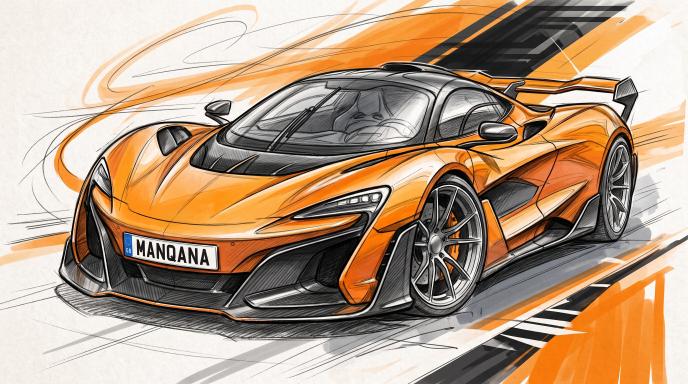
McLaren 570GT — 142 kg
By purpose, the McLaren 570GT is a model developed around speed and handling best suited to emotion-led journeys and a sporting image. The alphanumeric code 570GT functions as a factory designation for a family or specific configuration rather than a conventional marketing name.
Mercedes-Benz SL-Class — 145 kg
The Mercedes-Benz SL-Class is a luxury-oriented road car developed primarily for combining status, performance, and usability. Refinement is often measured by how naturally the car handles routine journeys. A single name may cover several generations, so the details of an individual vehicle should be verified separately.
Piaggio Ape — 145 kg
The Piaggio Ape can be described as a series-production road model for general everyday motoring. When choosing a used example, year, body type, powertrain, and vehicle history are important.
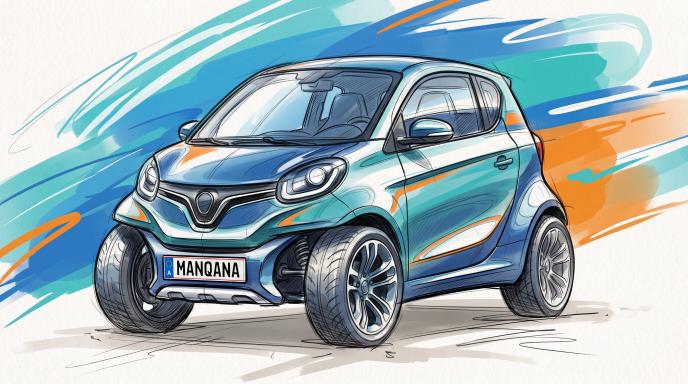
BYD Yangwang U9 — 150 kg
The Yangwang U9 gives BYD a passenger car tailored to general everyday motoring. When choosing a used example, year, body type, powertrain, and vehicle history are important. Across its life cycle, the model may have changed significantly in size, interior design, and technology.
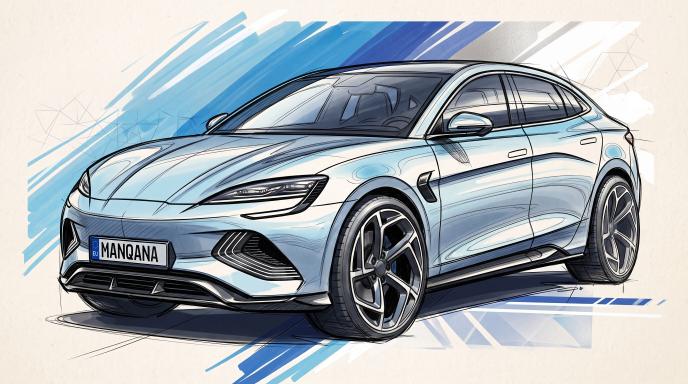
Citroën Ami — 150 kg
The Citroën Ami is aimed at customers looking for a general-purpose road car for routine operation within its market class. Its character depends on generation, as body styles, engines, transmissions, equipment, and safety all evolve. Exact specifications should be checked against model year, sales region, and trim level.
Daihatsu Hijet Caddie — 150 kg
The Hijet Caddie gives Daihatsu a model from a mainstream or specialist segment tailored to buyers comparing size, price, and equipment. Regional derivatives can differ enough to make a model name alone an incomplete description. Across its life cycle, the model may have changed significantly in size, interior design, and technology.

Daihatsu Mira — 150 kg
At Daihatsu, the name Mira is associated with a model from a mainstream or specialist segment and the demands of personal and family use. Its character depends on generation, as body styles, engines, transmissions, equipment, and safety all evolve. Real-world qualities depend on body style, powertrain, and the selected equipment level.
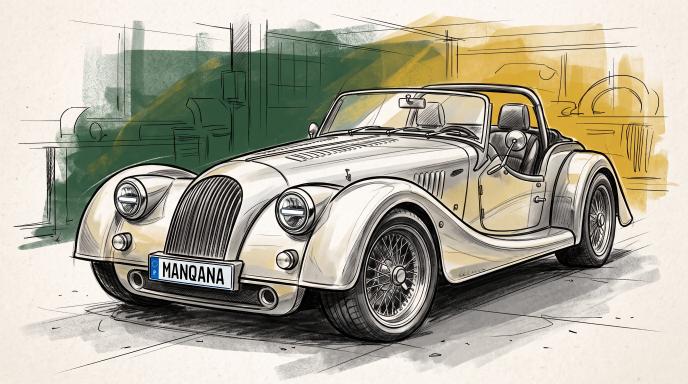
Morgan Plus 4 — 150 kg
The Morgan Plus 4 is a member of the brand's passenger-car range developed primarily for everything from short commutes to longer journeys. The ownership experience may change substantially with engine, gearbox, and trim level. Engine, transmission, and equipment choices changed by generation and market.
Smart Fortwo — 150 kg
As part of the Smart portfolio, the Fortwo answers the demand for a vehicle for everyday use suited to buyers comparing size, price, and equipment. Its character depends on generation, as body styles, engines, transmissions, equipment, and safety all evolve. Real-world qualities depend on body style, powertrain, and the selected equipment level.
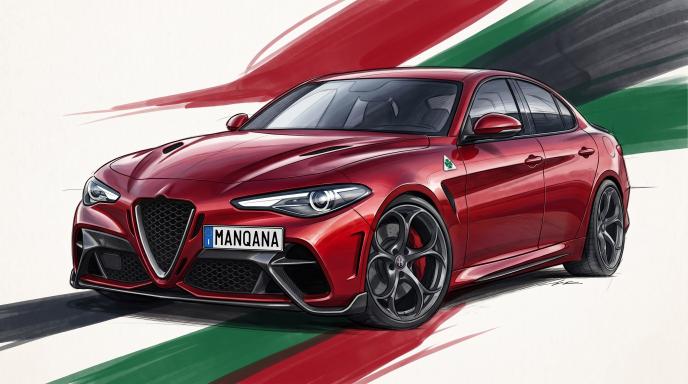
Alfa Romeo 4C — 152 kg
Alfa Romeo uses the 4C designation for a general-purpose road car created with routine operation within its market class in mind. Versions are best compared by practicality, running costs, equipment, and condition. Equipment and technical configuration vary between versions and regional specifications.
Citroën C5 — 152 kg
In the Citroën family, the C5 serves as a passenger car adapted to routine operation within its market class. Its character depends on generation, as body styles, engines, transmissions, equipment, and safety all evolve. Confirming the engine code and trim helps avoid confusion between visually similar versions.
Smart Fortwo — 155 kg
As part of the Smart portfolio, the Fortwo answers the demand for a vehicle for everyday use suited to buyers comparing size, price, and equipment. Its character depends on generation, as body styles, engines, transmissions, equipment, and safety all evolve. Real-world qualities depend on body style, powertrain, and the selected equipment level.
Mazda MX-5 — 158 kg
In the Mazda catalogue, the name MX-5 identifies a model from a mainstream or specialist segment oriented toward general everyday motoring. The model may span several generations whose dimensions and engineering concepts do not fully match. A single name may cover several generations, so the details of an individual vehicle should be verified separately.
Ford Th!nk — 165 kg
The Ford Th!nk was conceived as a vehicle for everyday use able to cover the needs of routine operation within its market class. Its character depends on generation, as body styles, engines, transmissions, equipment, and safety all evolve.