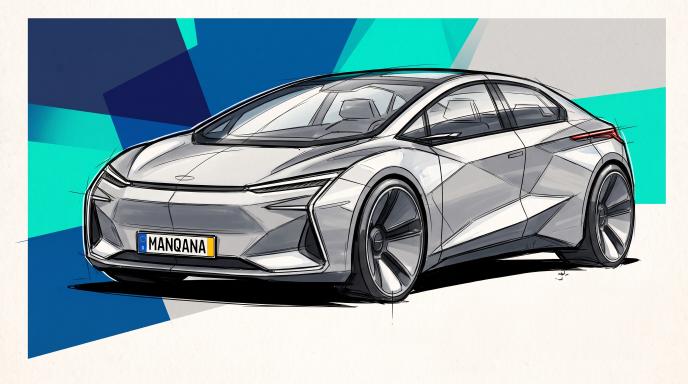
Minimum turning radius
Vehicles with the largest value
Yutong ZK6119HA — 23.000 m
Within the Yutong range, the ZK6119HA is a bus developed for professional operation intended for operation within public-transport fleets. The alphanumeric code ZK6119HA functions as a factory designation for a family or specific configuration rather than a conventional marketing name. For rare or regional versions, VIN-based and official-catalogue checks are particularly useful.
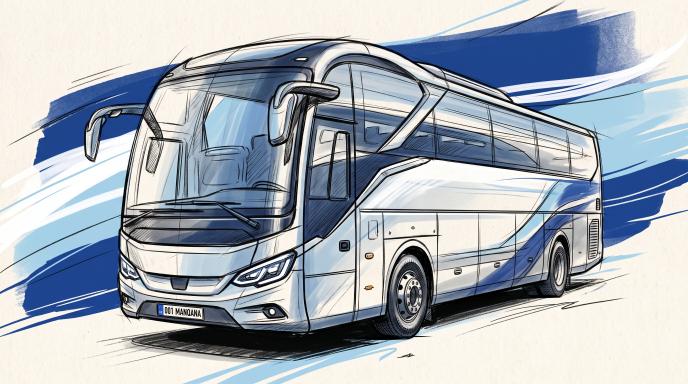
Yutong ZK6122H9 — 22.000 m
The ZK6122H9 gives Yutong a vehicle for scheduled passenger services tailored to scheduled passenger transport. The alphanumeric code ZK6122H9 functions as a factory designation for a family or specific configuration rather than a conventional marketing name. Confirming the engine code and trim helps avoid confusion between visually similar versions.
Howo 6x4 — 21.600 m
Howo uses the 6x4 designation for a working vehicle for freight operations created with heavy-duty operation and specialist body installations in mind. The 6x4 suffix identifies the wheel arrangement, which directly affects load distribution, traction, and intended duty. Across its life cycle, the model may have changed significantly in size, interior design, and technology.
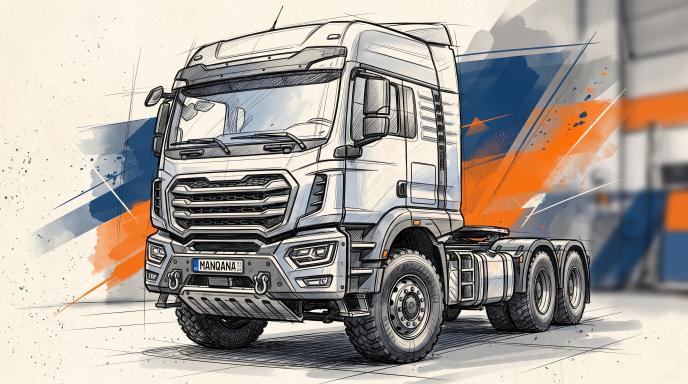
Yutong ZK6122H9 — 21.600 m
The ZK6122H9 gives Yutong a vehicle for scheduled passenger services tailored to scheduled passenger transport. The alphanumeric code ZK6122H9 functions as a factory designation for a family or specific configuration rather than a conventional marketing name. Confirming the engine code and trim helps avoid confusion between visually similar versions.
Howo 8x4 — 21.600 m
In the Howo catalogue, the name 8x4 identifies a heavy-duty chassis oriented toward regional and long-distance haulage. The 8x4 suffix identifies the wheel arrangement, which directly affects load distribution, traction, and intended duty.
Vehicles with the smallest value
BYD FangChengBao Leopard 8 — 2.950 m
By purpose, the BYD FangChengBao Leopard 8 is a passenger car best suited to buyers comparing size, price, and equipment. Its strengths are shaped by class, body layout, and the market for which a particular version was developed.
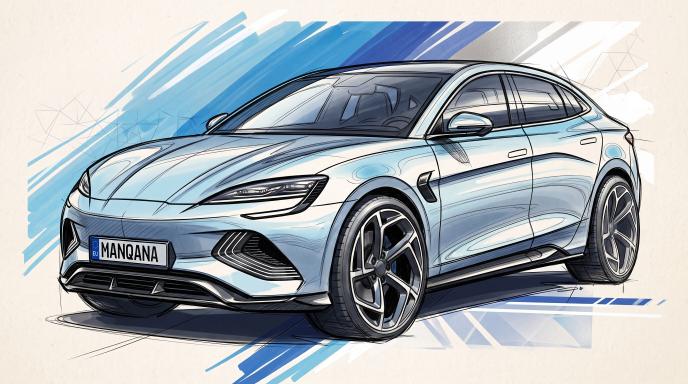
Piaggio Ape — 3.000 m
The Piaggio Ape can be described as a series-production road model for general everyday motoring. When choosing a used example, year, body type, powertrain, and vehicle history are important.
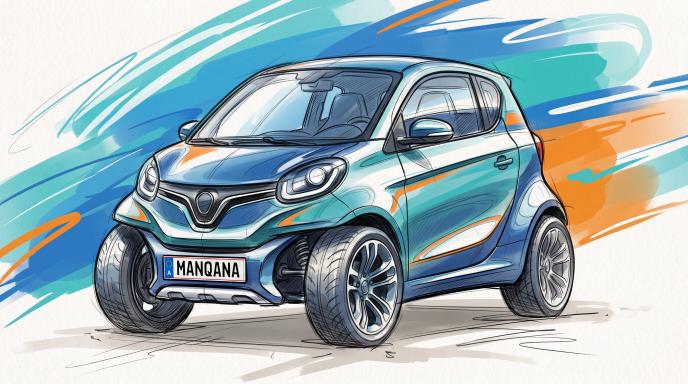
Toyota COMS — 3.200 m
The main role of the Toyota COMS is to be a model from a mainstream or specialist segment convenient for everything from short commutes to longer journeys. Versions are best compared by practicality, running costs, equipment, and condition. Early and late versions can differ considerably in equipment and safety provisions.

Bajaj Maxima — 3.200 m
The Maxima occupies the role of a general-purpose road car in the history or product line of Bajaj, aimed at personal and family use. Versions are best compared by practicality, running costs, equipment, and condition. Engine, transmission, and equipment choices changed by generation and market.
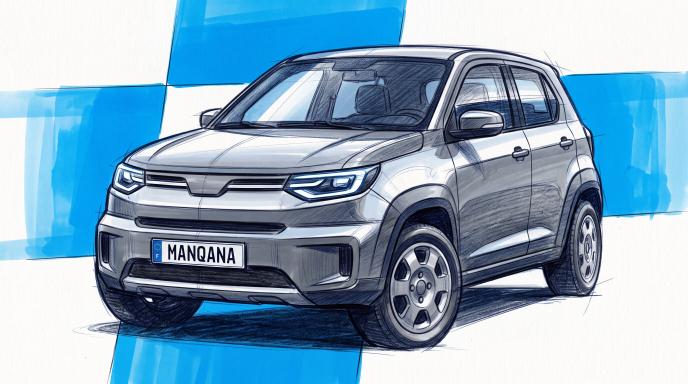
Smart Fortwo — 3.300 m
As part of the Smart portfolio, the Fortwo answers the demand for a vehicle for everyday use suited to buyers comparing size, price, and equipment. Its character depends on generation, as body styles, engines, transmissions, equipment, and safety all evolve. Real-world qualities depend on body style, powertrain, and the selected equipment level.