Body dimensions (length)
Vehicles with the largest value
LiAZ 6213 — 18,750 mm
In positioning terms, the LiAZ 6213 is closest to a bus developed for professional operation and suits routes where capacity and easy boarding matter. The alphanumeric code 6213 functions as a factory designation for a family or specific configuration rather than a conventional marketing name.
KamAZ 6282 Electrobus — 18,725 mm
The KamAZ 6282 Electrobus is aimed at customers looking for a bus developed for professional operation for services involving frequent stops. The alphanumeric code 6282 Electrobus functions as a factory designation for a family or specific configuration rather than a conventional marketing name. Exact specifications should be checked against model year, sales region, and trim level.

Neoplan Transliner — 18,000 mm
Within the Neoplan range, the Transliner is a member of the brand's bus range intended for services involving frequent stops. Its practical value is shaped by passenger capacity, boarding convenience, and ease of maintenance. Even within one generation, engine, drivetrain, and option package can change the car's character.
Vehicles with the smallest value
Alpina Roadster — 440 mm
Rather than serving a single narrow purpose, the Alpina Roadster works as a car designed for leisure driving for buyers who prioritise emotion over maximum practicality. Roof-down refinement and body rigidity can vary considerably between generations.
Toyota Verso — 444 mm
In the Toyota family, the Verso serves as a vehicle for everyday use adapted to routine operation within its market class. Its strengths are shaped by class, body layout, and the market for which a particular version was developed.

Volkswagen Jetta — 459 mm
By purpose, the Volkswagen Jetta is a model from a mainstream or specialist segment best suited to daily trips in town and on the highway. Its character depends on generation, as body styles, engines, transmissions, equipment, and safety all evolve.
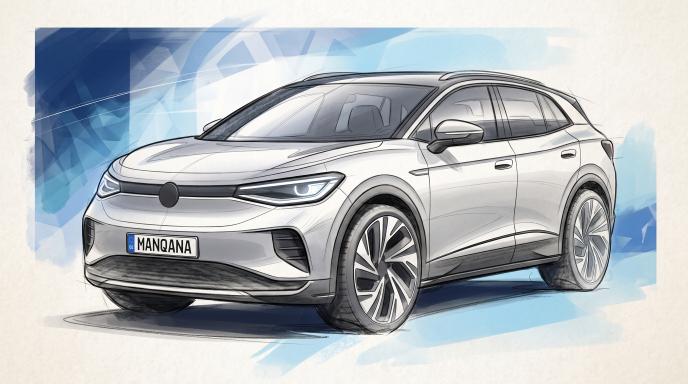
DAF CF 4x2 — 970 mm
In the DAF family, the CF 4x2 serves as a commercial truck adapted to regional and long-distance haulage. The 4x2 suffix identifies the wheel arrangement, which directly affects load distribution, traction, and intended duty. A single name may cover several generations, so the details of an individual vehicle should be verified separately.

Chrysler New Yorker — 1,395 mm
The Chrysler New Yorker can be described as a passenger car for general everyday motoring. Its strengths are shaped by class, body layout, and the market for which a particular version was developed.

Suzuki Alto — 1,410 mm
With the Alto, Suzuki combines the format of a general-purpose road car with the needs of buyers comparing size, price, and equipment. The model may span several generations whose dimensions and engineering concepts do not fully match. Exact specifications should be checked against model year, sales region, and trim level.

Audi A4 — 1,490 mm
The Audi A4 approaches its segment as a vehicle focused on comfort and finish quality built around comfortable business journeys and touring. Option packages can alter both atmosphere and usability more than the basic exterior suggests.

Sany SET Series — 1,490 mm
The Sany SET Series is aimed at customers looking for a series-production road model for daily trips in town and on the highway. When choosing a used example, year, body type, powertrain, and vehicle history are important. Market-specific naming can hide meaningful differences in equipment and mechanical layout.
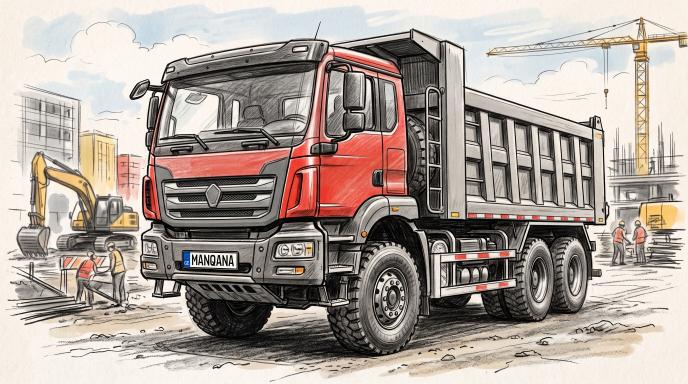
Soueast DX5 — 1,680 mm
Rather than serving a single narrow purpose, the Soueast DX5 works as a series-production road model for everything from short commutes to longer journeys. Its strengths are shaped by class, body layout, and the market for which a particular version was developed.
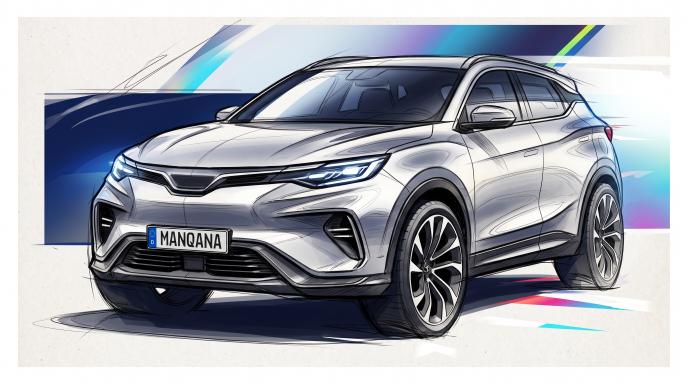
Nissan Serena — 1,825 mm
Nissan uses the Serena designation for a family minivan created with comfortable seating across multiple rows in mind. Trim levels may differ in seating capacity, sliding doors, and passenger-oriented equipment.

Toyota Hilux — 2,035 mm
Rather than serving a single narrow purpose, the Toyota Hilux works as a crew-and-cargo pickup for work, recreation, and bulky-load transport. Versions can differ in body length, seating capacity, transmission, and off-road hardware. Special editions may depart from the regular range in both appearance and specification.

BMW Isetta — 2,285 mm
In positioning terms, the BMW Isetta is closest to a vehicle focused on comfort and finish quality and suits combining status, performance, and usability. Specification can change the character from calm and executive to distinctly dynamic.

Renault Twizy — 2,335 mm
The Renault Twizy belongs to the category of vehicle for everyday uses and is designed for everything from short commutes to longer journeys. The model may span several generations whose dimensions and engineering concepts do not fully match.

BMW Isetta — 2,355 mm
In positioning terms, the BMW Isetta is closest to a vehicle focused on comfort and finish quality and suits combining status, performance, and usability. Specification can change the character from calm and executive to distinctly dynamic.
Toyota COMS — 2,395 mm
The main role of the Toyota COMS is to be a model from a mainstream or specialist segment convenient for everything from short commutes to longer journeys. Versions are best compared by practicality, running costs, equipment, and condition. Early and late versions can differ considerably in equipment and safety provisions.
Citroën Ami — 2,410 mm
The Citroën Ami is aimed at customers looking for a general-purpose road car for routine operation within its market class. Its character depends on generation, as body styles, engines, transmissions, equipment, and safety all evolve. Exact specifications should be checked against model year, sales region, and trim level.

Audi A3 — 2,427 mm
By purpose, the Audi A3 is a upmarket member of the range best suited to long-distance comfort and refined daily driving. Each generation offers its own balance of comfort, handling, and technology. Real-world qualities depend on body style, powertrain, and the selected equipment level.
Toyota SD — 2,450 mm
The Toyota SD belongs to the category of passenger cars and is designed for daily trips in town and on the highway. The ownership experience may change substantially with engine, gearbox, and trim level. Across its life cycle, the model may have changed significantly in size, interior design, and technology.
Citroën Ami — 2,460 mm
The Citroën Ami is aimed at customers looking for a general-purpose road car for routine operation within its market class. Its character depends on generation, as body styles, engines, transmissions, equipment, and safety all evolve. Exact specifications should be checked against model year, sales region, and trim level.
Toyota COMS — 2,475 mm
The main role of the Toyota COMS is to be a model from a mainstream or specialist segment convenient for everything from short commutes to longer journeys. Versions are best compared by practicality, running costs, equipment, and condition. Early and late versions can differ considerably in equipment and safety provisions.
Baojun E100 — 2,488 mm
Within the Baojun range, the E100 is a member of the brand's passenger-car range intended for routine operation within its market class. The alphanumeric code E100 functions as a factory designation for a family or specific configuration rather than a conventional marketing name.
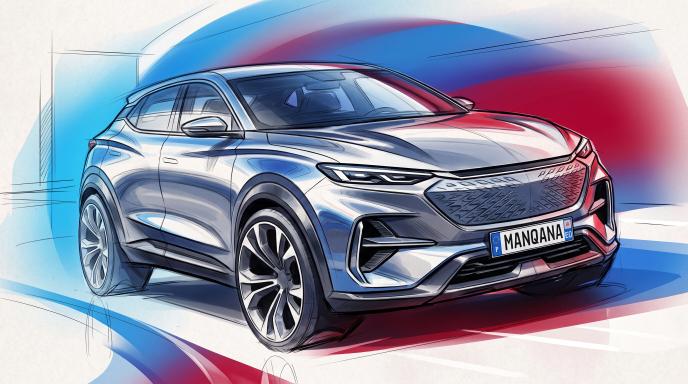
Toyota C+pod — 2,490 mm
As part of the Toyota portfolio, the C+pod answers the demand for a general-purpose road car suited to everything from short commutes to longer journeys. The ownership experience may change substantially with engine, gearbox, and trim level.
Isuzu Fargo — 2,490 mm
The Isuzu Fargo belongs to the category of passenger cars and is designed for general everyday motoring. The ownership experience may change substantially with engine, gearbox, and trim level. The factory specification for the relevant model year is the best reference for precise data.
Baojun E200 — 2,497 mm
The E200 gives Baojun a passenger car tailored to daily trips in town and on the highway. Its strengths are shaped by class, body layout, and the market for which a particular version was developed. Early and late versions can differ considerably in equipment and safety provisions.
Smart City — 2,500 mm
With the City, Smart combines the format of a passenger car with the needs of daily trips in town and on the highway. The ownership experience may change substantially with engine, gearbox, and trim level.