Maximum speed
Vehicles with the largest value
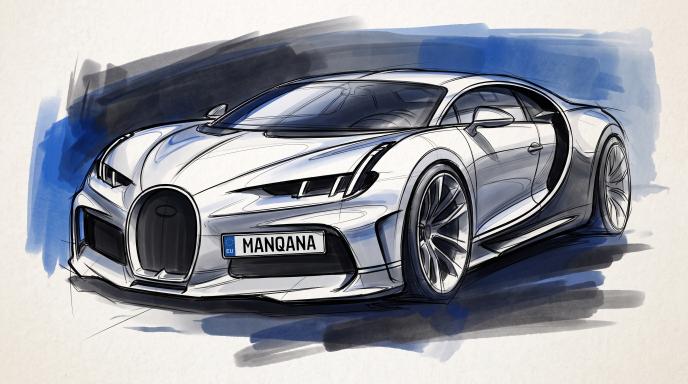
Bugatti Chiron — 463 km/h
The Chiron gives Bugatti a emotion-led performance derivative tailored to combining power, handling, and expressive styling. Output and overall intensity can vary greatly between generations and limited editions. Market-specific naming can hide meaningful differences in equipment and mechanical layout.
Bugatti Tourbillon — 445 km/h
In the Bugatti catalogue, the name Tourbillon identifies a performance-oriented sports model oriented toward emotion-led journeys and a sporting image. Output and overall intensity can vary greatly between generations and limited editions.
Bugatti Veyron — 415 km/h
The Bugatti Veyron approaches its segment as a high-output road car built around combining power, handling, and expressive styling. Compared with regular derivatives, such versions usually receive sharper chassis, brake, and powertrain tuning. Engine, transmission, and equipment choices changed by generation and market.
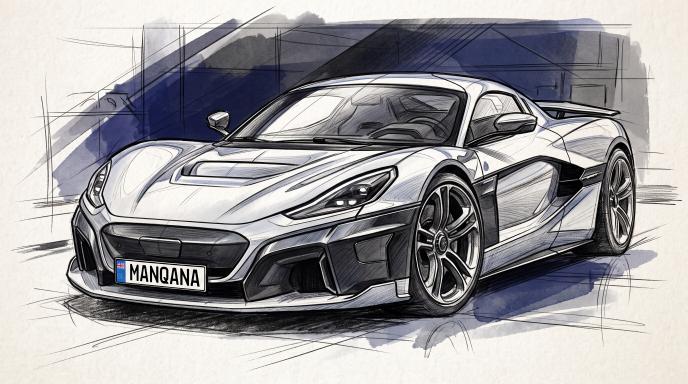
Rimac Nevera — 412 km/h
At Rimac, the name Nevera is associated with a high-output road car and the demands of rapid acceleration and enthusiastic driving. The most important changes are not always visible, as cooling, differential, and suspension revisions may define the car. Equipment and technical configuration vary between versions and regional specifications.
Bugatti Veyron — 410 km/h
The Bugatti Veyron approaches its segment as a high-output road car built around combining power, handling, and expressive styling. Compared with regular derivatives, such versions usually receive sharper chassis, brake, and powertrain tuning. Engine, transmission, and equipment choices changed by generation and market.
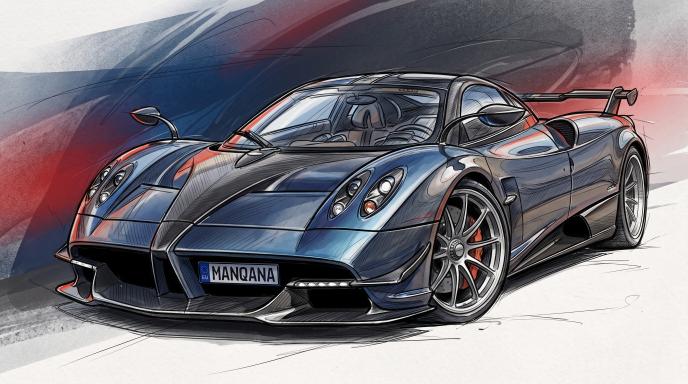
Pagani Huayra — 370 km/h
The Pagani Huayra is aimed at customers looking for a emotion-led performance derivative for combining power, handling, and expressive styling. Performance is paired with distinctive styling, stronger brakes, and driver-oriented calibration.
Ferrari F40 — 367 km/h
The F40 occupies the role of a performance-oriented sports model in the history or product line of Ferrari, aimed at driver-focused use on engaging roads. Output and overall intensity can vary greatly between generations and limited editions.

McLaren P1 — 362 km/h
The McLaren P1 belongs to the category of sporting member of the ranges and is designed for combining power, handling, and expressive styling. Performance is paired with distinctive styling, stronger brakes, and driver-oriented calibration. Early and late versions can differ considerably in equipment and safety provisions.

Pagani Huayra — 360 km/h
The Pagani Huayra is aimed at customers looking for a emotion-led performance derivative for combining power, handling, and expressive styling. Performance is paired with distinctive styling, stronger brakes, and driver-oriented calibration.
Pagani Zonda — 355 km/h
With the Zonda, Pagani combines the format of a vehicle with a strong driver-focused character with the needs of rapid acceleration and enthusiastic driving. Its appeal depends on how effectively speed, feedback, and everyday usability are balanced. Special editions may depart from the regular range in both appearance and specification.
Lamborghini Sian — 355 km/h
In the Lamborghini family, the Sian serves as a sporting member of the range adapted to buyers seeking a sharper character than a regular road model. Output and overall intensity can vary greatly between generations and limited editions.

Lamborghini Countach — 355 km/h
The Lamborghini Countach approaches its segment as a vehicle with a strong driver-focused character built around buyers seeking a sharper character than a regular road model. The most important changes are not always visible, as cooling, differential, and suspension revisions may define the car.

Lamborghini Aventador — 355 km/h
Within the Lamborghini range, the Aventador is a sporting member of the range intended for driver-focused use on engaging roads. Compared with regular derivatives, such versions usually receive sharper chassis, brake, and powertrain tuning. Even within one generation, engine, drivetrain, and option package can change the car's character.

Aston Martin One-77 — 354 km/h
Aston Martin uses the One-77 designation for a emotion-led performance derivative created with combining power, handling, and expressive styling in mind. Output and overall intensity can vary greatly between generations and limited editions. Special editions may depart from the regular range in both appearance and specification.

Mercedes-Benz AMG One — 352 km/h
As part of the Mercedes-Benz portfolio, the AMG One answers the demand for a sporting member of the range suited to emotion-led journeys and a sporting image. The sporting suffix marks a derivative with sharper tuning, stronger performance, or more purposeful styling. Equipment and technical configuration vary between versions and regional specifications.

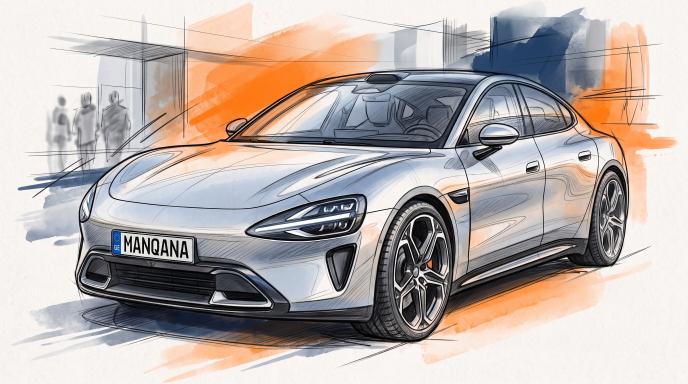
Xiaomi SU7 — 350 km/h
The Xiaomi SU7 can be described as a new-energy model for markets with growing demand for new-energy vehicles. Efficiency figures are most meaningful when viewed alongside climate and route conditions.
Pagani Zonda — 350 km/h
With the Zonda, Pagani combines the format of a vehicle with a strong driver-focused character with the needs of rapid acceleration and enthusiastic driving. Its appeal depends on how effectively speed, feedback, and everyday usability are balanced. Special editions may depart from the regular range in both appearance and specification.
Pagani Huayra — 350 km/h
The Pagani Huayra is aimed at customers looking for a emotion-led performance derivative for combining power, handling, and expressive styling. Performance is paired with distinctive styling, stronger brakes, and driver-oriented calibration.
Mercedes-Benz SLS AMG — 350 km/h
The SLS AMG gives Mercedes-Benz a model developed around speed and handling tailored to buyers seeking a sharper character than a regular road model. The sporting suffix marks a derivative with sharper tuning, stronger performance, or more purposeful styling. Early and late versions can differ considerably in equipment and safety provisions.
McLaren W1 — 350 km/h
The W1 occupies the role of a high-output road car in the history or product line of McLaren, aimed at driver-focused use on engaging roads. One version may behave like a fast road car, while another can be a far more focused sporting derivative.
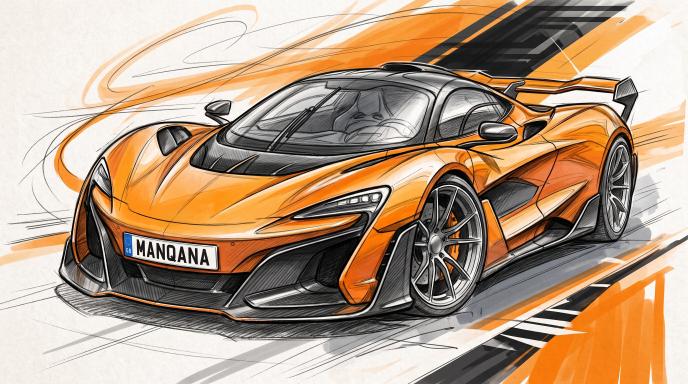
McLaren P1 — 350 km/h
The McLaren P1 belongs to the category of sporting member of the ranges and is designed for combining power, handling, and expressive styling. Performance is paired with distinctive styling, stronger brakes, and driver-oriented calibration. Early and late versions can differ considerably in equipment and safety provisions.
Lamborghini Sian — 350 km/h
In the Lamborghini family, the Sian serves as a sporting member of the range adapted to buyers seeking a sharper character than a regular road model. Output and overall intensity can vary greatly between generations and limited editions.
Lamborghini Revuelto — 350 km/h
The Lamborghini Revuelto is aimed at customers looking for a vehicle with a strong driver-focused character for emotion-led journeys and a sporting image. Compared with regular derivatives, such versions usually receive sharper chassis, brake, and powertrain tuning. Special editions may depart from the regular range in both appearance and specification.
Lamborghini Aventador — 350 km/h
Within the Lamborghini range, the Aventador is a sporting member of the range intended for driver-focused use on engaging roads. Compared with regular derivatives, such versions usually receive sharper chassis, brake, and powertrain tuning. Even within one generation, engine, drivetrain, and option package can change the car's character.
Ferrari LaFerrari — 350 km/h
With the LaFerrari, Ferrari combines the format of a vehicle with a strong driver-focused character with the needs of buyers seeking a sharper character than a regular road model. Performance is paired with distinctive styling, stronger brakes, and driver-oriented calibration. Engine, transmission, and equipment choices changed by generation and market.

Ferrari F80 — 350 km/h
The Ferrari F80 can be described as a sporting member of the range for drivers who value dynamics and road feedback. Compared with regular derivatives, such versions usually receive sharper chassis, brake, and powertrain tuning. Market-specific naming can hide meaningful differences in equipment and mechanical layout.

Ferrari Enzo Ferrari — 350 km/h
In positioning terms, the Ferrari Enzo Ferrari is closest to a performance-oriented sports model and suits driver-focused use on engaging roads. Performance is paired with distinctive styling, stronger brakes, and driver-oriented calibration. Even within one generation, engine, drivetrain, and option package can change the car's character.

Dodge Challenger — 350 km/h
The Dodge Challenger approaches its segment as a passenger car built around buyers comparing size, price, and equipment. The model may span several generations whose dimensions and engineering concepts do not fully match.

BYD Yangwang U9 — 350 km/h
The Yangwang U9 gives BYD a passenger car tailored to general everyday motoring. When choosing a used example, year, body type, powertrain, and vehicle history are important. Across its life cycle, the model may have changed significantly in size, interior design, and technology.
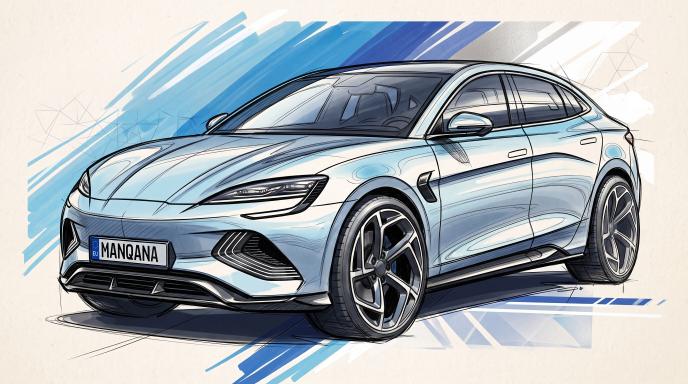
Bugatti Chiron — 350 km/h
The Chiron gives Bugatti a emotion-led performance derivative tailored to combining power, handling, and expressive styling. Output and overall intensity can vary greatly between generations and limited editions. Market-specific naming can hide meaningful differences in equipment and mechanical layout.
Chevrolet Corvette — 350 km/h
In the Chevrolet catalogue, the name Corvette identifies a electrified vehicle oriented toward low-noise commuting and technology-rich operation. The specific version may be battery-electric, hybrid, or plug-in hybrid, so the powertrain type should be checked.

Audi RS Q8 — 350 km/h
At Audi, the name RS Q8 is associated with a model developed around speed and handling and the demands of driver-focused use on engaging roads. The sporting suffix marks a derivative with sharper tuning, stronger performance, or more purposeful styling.

Jaguar XJ220 — 349 km/h
The Jaguar XJ220 was conceived as a car offering a high level of equipment able to cover the needs of long-distance comfort and refined daily driving. Seat design, sound insulation, infotainment, and driver assistance are especially important in this class. Special editions may depart from the regular range in both appearance and specification.

Ford GT — 347 km/h
With the GT, Ford combines the format of a vehicle for everyday use with the needs of personal and family use. The ownership experience may change substantially with engine, gearbox, and trim level. Exact specifications should be checked against model year, sales region, and trim level.
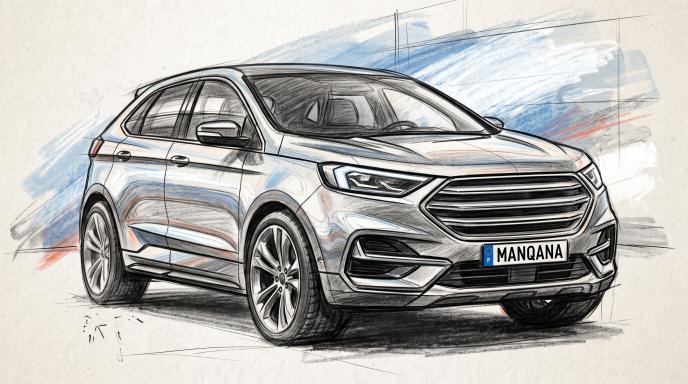
Dodge Challenger — 346 km/h
The Dodge Challenger approaches its segment as a passenger car built around buyers comparing size, price, and equipment. The model may span several generations whose dimensions and engineering concepts do not fully match.
Spyker C8 — 345 km/h
The C8 gives Spyker a member of the brand's passenger-car range tailored to buyers comparing size, price, and equipment. Its strengths are shaped by class, body layout, and the market for which a particular version was developed.
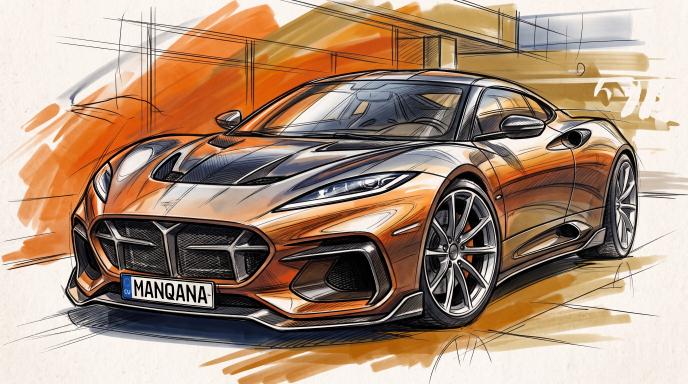
Porsche 918 — 345 km/h
At Porsche, the name 918 is associated with a car offering a high level of equipment and the demands of comfortable business journeys and touring. The alphanumeric code 918 functions as a factory designation for a family or specific configuration rather than a conventional marketing name.

Pagani Zonda — 345 km/h
With the Zonda, Pagani combines the format of a vehicle with a strong driver-focused character with the needs of rapid acceleration and enthusiastic driving. Its appeal depends on how effectively speed, feedback, and everyday usability are balanced. Special editions may depart from the regular range in both appearance and specification.
McLaren P1 — 345 km/h
The McLaren P1 belongs to the category of sporting member of the ranges and is designed for combining power, handling, and expressive styling. Performance is paired with distinctive styling, stronger brakes, and driver-oriented calibration. Early and late versions can differ considerably in equipment and safety provisions.
Lamborghini Diablo — 345 km/h
The main role of the Lamborghini Diablo is to be a high-output road car convenient for emotion-led journeys and a sporting image. Compared with regular derivatives, such versions usually receive sharper chassis, brake, and powertrain tuning. Market-specific naming can hide meaningful differences in equipment and mechanical layout.
Aston Martin Vanquish — 345 km/h
The concept behind the Aston Martin Vanquish centres on a van or minibus and the requirements of conversion for different trades. Buyers should consider exterior dimensions, payload, door arrangement, and expected daily mileage. Even within one generation, engine, drivetrain, and option package can change the car's character.
Vehicles with the smallest value
Fiat Bravo — 11 km/h
The main role of the Fiat Bravo is to be a series-production road model convenient for routine operation within its market class. The model may span several generations whose dimensions and engineering concepts do not fully match. Even within one generation, engine, drivetrain, and option package can change the car's character.

Piaggio Ape — 38 km/h
The Piaggio Ape can be described as a series-production road model for general everyday motoring. When choosing a used example, year, body type, powertrain, and vehicle history are important.
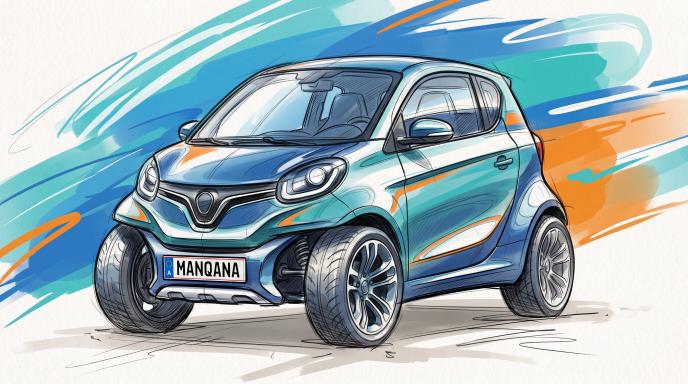
Citroën Ami — 45 km/h
The Citroën Ami is aimed at customers looking for a general-purpose road car for routine operation within its market class. Its character depends on generation, as body styles, engines, transmissions, equipment, and safety all evolve. Exact specifications should be checked against model year, sales region, and trim level.

Piaggio Ape — 45 km/h
The Piaggio Ape can be described as a series-production road model for general everyday motoring. When choosing a used example, year, body type, powertrain, and vehicle history are important.
GAZ 18 — 50 km/h
With the 18, GAZ combines the format of a series-production road model with the needs of everything from short commutes to longer journeys. Its strengths are shaped by class, body layout, and the market for which a particular version was developed. The factory specification for the relevant model year is the best reference for precise data.

Bajaj Maxima — 50 km/h
The Maxima occupies the role of a general-purpose road car in the history or product line of Bajaj, aimed at personal and family use. Versions are best compared by practicality, running costs, equipment, and condition. Engine, transmission, and equipment choices changed by generation and market.
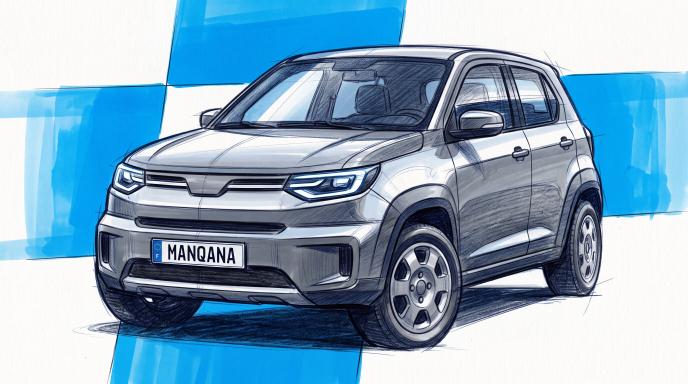
IFA Multicar 25 — 50 km/h
The Multicar 25 occupies the role of a series-production road model in the history or product line of IFA, aimed at general everyday motoring. Its strengths are shaped by class, body layout, and the market for which a particular version was developed. For rare or regional versions, VIN-based and official-catalogue checks are particularly useful.
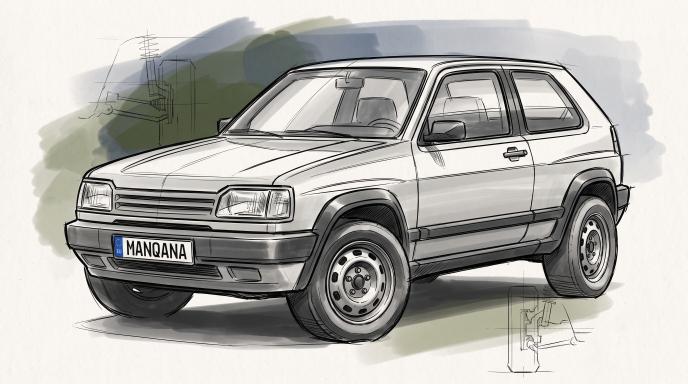
MAZ 6317 — 50 km/h
At MAZ, the name 6317 is associated with a platform for transport and specialist bodies and the demands of logistics, construction, or municipal work. The alphanumeric code 6317 functions as a factory designation for a family or specific configuration rather than a conventional marketing name. Across its life cycle, the model may have changed significantly in size, interior design, and technology.

Piaggio Porter — 55 km/h
The Piaggio Porter approaches its segment as a member of the light-duty transport range built around courier and service routes. Short- and long-wheelbase versions can feel like very different tools in urban use. Exact specifications should be checked against model year, sales region, and trim level.
Toyota C+pod — 60 km/h
As part of the Toyota portfolio, the C+pod answers the demand for a general-purpose road car suited to everything from short commutes to longer journeys. The ownership experience may change substantially with engine, gearbox, and trim level.

Toyota COMS — 60 km/h
The main role of the Toyota COMS is to be a model from a mainstream or specialist segment convenient for everything from short commutes to longer journeys. Versions are best compared by practicality, running costs, equipment, and condition. Early and late versions can differ considerably in equipment and safety provisions.
GAZ 51 — 60 km/h
Rather than serving a single narrow purpose, the GAZ 51 works as a vehicle for everyday use for routine operation within its market class. Regional derivatives can differ enough to make a model name alone an incomplete description.

GAZ 63 — 60 km/h
The GAZ 63 is aimed at customers looking for a model from a mainstream or specialist segment for buyers comparing size, price, and equipment. Its strengths are shaped by class, body layout, and the market for which a particular version was developed. Engine, transmission, and equipment choices changed by generation and market.

Eonyx Profi Cargo — 60 km/h
By purpose, the Eonyx Profi Cargo is a van or minibus best suited to conversion for different trades. Cargo, crew-van, and fully passenger-carrying derivatives may be offered with several body lengths.
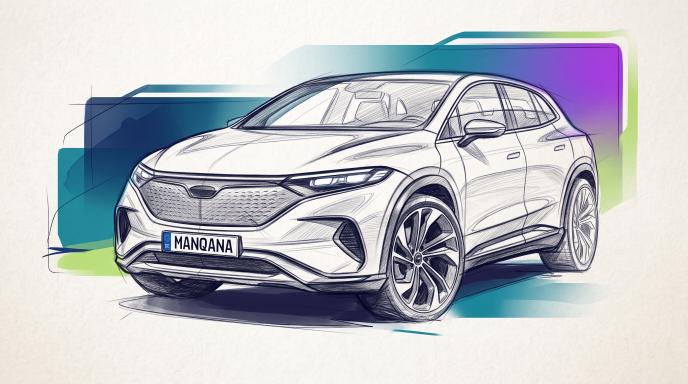
Eonyx Profi Pickup — 60 km/h
At Eonyx, the name Profi Pickup is associated with a model combining a passenger cab with a load platform and the demands of utility work without giving up passenger accommodation. Depending on the trim, the emphasis can shift from utility to comfort, equipment, or off-road ability.
IFA Multicar 25 — 60 km/h
The Multicar 25 occupies the role of a series-production road model in the history or product line of IFA, aimed at general everyday motoring. Its strengths are shaped by class, body layout, and the market for which a particular version was developed. For rare or regional versions, VIN-based and official-catalogue checks are particularly useful.
ZIL 157 — 60 km/h
The ZIL 157 is aimed at customers looking for a working vehicle for freight operations for jobs where durability and chassis configuration are critical. The alphanumeric code 157 functions as a factory designation for a family or specific configuration rather than a conventional marketing name. Confirming the engine code and trim helps avoid confusion between visually similar versions.

KAvZ 3976 — 60 km/h
The KAvZ 3976 can be described as a route bus for urban and suburban routes. When choosing a particular version, body length, door count, cabin layout, and route type are especially important.

KAvZ 4238 Avrora — 60 km/h
The KAvZ 4238 Avrora can be described as a vehicle for scheduled passenger services for operation within public-transport fleets. Different versions can vary substantially in interior layout, powertrain, and operating role. Special editions may depart from the regular range in both appearance and specification.
KrAZ 6437 — 60 km/h
With the 6437, KrAZ combines the format of a commercial truck with the needs of logistics, construction, or municipal work. The alphanumeric code 6437 functions as a factory designation for a family or specific configuration rather than a conventional marketing name.

PAZ 3203 — 60 km/h
By purpose, the PAZ 3203 is a route bus best suited to services involving frequent stops. The alphanumeric code 3203 functions as a factory designation for a family or specific configuration rather than a conventional marketing name.
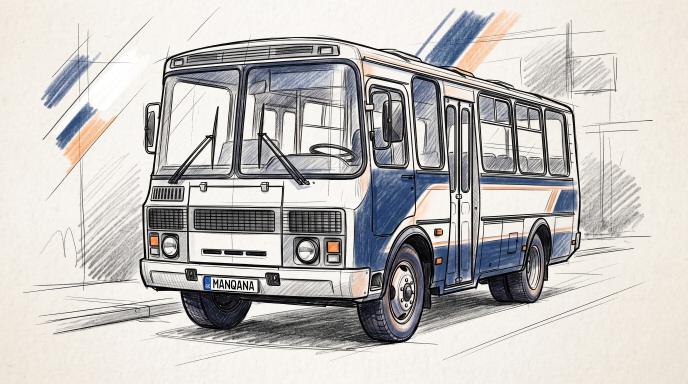
PAZ 3204 — 60 km/h
PAZ uses the 3204 designation for a bus developed for professional operation created with urban and suburban routes in mind. Service conditions determine whether low-floor access, luggage space, or standing capacity takes priority. The factory specification for the relevant model year is the best reference for precise data.
PAZ 3206 — 60 km/h
The 3206 occupies the role of a member of the brand's bus range in the history or product line of PAZ, aimed at urban and suburban routes. The alphanumeric code 3206 functions as a factory designation for a family or specific configuration rather than a conventional marketing name. Before comparing examples, it is useful to identify the generation, derivative, and original market.
GAZ 63 — 65 km/h
The GAZ 63 is aimed at customers looking for a model from a mainstream or specialist segment for buyers comparing size, price, and equipment. Its strengths are shaped by class, body layout, and the market for which a particular version was developed. Engine, transmission, and equipment choices changed by generation and market.
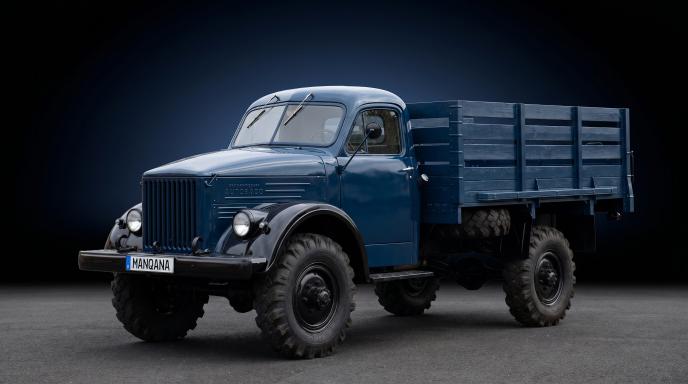
Citroën 2CV — 65 km/h
The 2CV occupies the role of a member of the brand's passenger-car range in the history or product line of Citroën, aimed at everything from short commutes to longer journeys. Its character depends on generation, as body styles, engines, transmissions, equipment, and safety all evolve.
LiAZ 6274 Electrobus — 65 km/h
Within the LiAZ range, the 6274 Electrobus is a member of the brand's bus range intended for services involving frequent stops. The alphanumeric code 6274 Electrobus functions as a factory designation for a family or specific configuration rather than a conventional marketing name. Before comparing examples, it is useful to identify the generation, derivative, and original market.

MAZ 5551 — 68 km/h
In positioning terms, the MAZ 5551 is closest to a commercial truck and suits commercial fleet use. The alphanumeric code 5551 functions as a factory designation for a family or specific configuration rather than a conventional marketing name.

MAZ 6425 — 68 km/h
By purpose, the MAZ 6425 is a purpose-built commercial vehicle best suited to heavy-duty operation and specialist body installations. The alphanumeric code 6425 functions as a factory designation for a family or specific configuration rather than a conventional marketing name. For rare or regional versions, VIN-based and official-catalogue checks are particularly useful.
Ford Model T — 70 km/h
As part of the Ford portfolio, the Model T answers the demand for a passenger car suited to general everyday motoring. Its character depends on generation, as body styles, engines, transmissions, equipment, and safety all evolve.
Hyundai Bogdan — 70 km/h
In positioning terms, the Hyundai Bogdan is closest to a vehicle for everyday use and suits buyers comparing size, price, and equipment. Regional derivatives can differ enough to make a model name alone an incomplete description. Across its life cycle, the model may have changed significantly in size, interior design, and technology.

GAZ 51 — 70 km/h
Rather than serving a single narrow purpose, the GAZ 51 works as a vehicle for everyday use for routine operation within its market class. Regional derivatives can differ enough to make a model name alone an incomplete description.

GAZ 52 — 70 km/h
By purpose, the GAZ 52 is a passenger car best suited to general everyday motoring. The ownership experience may change substantially with engine, gearbox, and trim level. Real-world qualities depend on body style, powertrain, and the selected equipment level.
