Trunk volume
Vehicles with the largest value
Ural 583100 — 700,000 l
By purpose, the Ural 583100 is a purpose-built commercial vehicle best suited to jobs where durability and chassis configuration are critical. The alphanumeric code 583100 functions as a factory designation for a family or specific configuration rather than a conventional marketing name.

Opel Movano — 149,000 l
At Opel, the name Movano is associated with a general-purpose road car and the demands of everything from short commutes to longer journeys. Versions are best compared by practicality, running costs, equipment, and condition.

GAZ Valdai 18 — 64,000 l
Within the GAZ range, the Valdai 18 is a platform for transport and specialist bodies intended for freight and vocational applications. Real operating suitability depends more on the exact chassis specification than on the badge alone. Across its life cycle, the model may have changed significantly in size, interior design, and technology.

Sollers TR180 — 56,500 l
The TR180 occupies the role of a passenger car in the history or product line of Sollers, aimed at everything from short commutes to longer journeys. The alphanumeric code TR180 functions as a factory designation for a family or specific configuration rather than a conventional marketing name.
MAZ 6310 — 56,000 l
In positioning terms, the MAZ 6310 is closest to a platform for transport and specialist bodies and suits freight and vocational applications. The alphanumeric code 6310 functions as a factory designation for a family or specific configuration rather than a conventional marketing name. Exact specifications should be checked against model year, sales region, and trim level.

Isuzu Giga — 54,000 l
Rather than serving a single narrow purpose, the Isuzu Giga works as a commercial truck for heavy-duty operation and specialist body installations. Its application depends on wheelbase, permitted weight, cab type, engine, and the selected body or equipment. The factory specification for the relevant model year is the best reference for precise data.
MAZ 6312 — 49,000 l
The 6312 gives MAZ a heavy-duty chassis tailored to commercial fleet use. The alphanumeric code 6312 functions as a factory designation for a family or specific configuration rather than a conventional marketing name. A single name may cover several generations, so the details of an individual vehicle should be verified separately.
MAZ 6303 — 48,900 l
By purpose, the MAZ 6303 is a working vehicle for freight operations best suited to heavy-duty operation and specialist body installations. The alphanumeric code 6303 functions as a factory designation for a family or specific configuration rather than a conventional marketing name.
KamAZ 65207 — 48,300 l
As part of the KamAZ portfolio, the 65207 answers the demand for a working vehicle for freight operations suited to regional and long-distance haulage. The alphanumeric code 65207 functions as a factory designation for a family or specific configuration rather than a conventional marketing name. Confirming the engine code and trim helps avoid confusion between visually similar versions.

Foton Auman BJ51 — 46,677 l
In the Foton catalogue, the name Auman BJ51 identifies a member of the professional truck range oriented toward regional and long-distance haulage. Its application depends on wheelbase, permitted weight, cab type, engine, and the selected body or equipment. A single name may cover several generations, so the details of an individual vehicle should be verified separately.

MAZ 6312 — 45,980 l
The 6312 gives MAZ a heavy-duty chassis tailored to commercial fleet use. The alphanumeric code 6312 functions as a factory designation for a family or specific configuration rather than a conventional marketing name. A single name may cover several generations, so the details of an individual vehicle should be verified separately.
Foton Auman BJ51 — 45,677 l
In the Foton catalogue, the name Auman BJ51 identifies a member of the professional truck range oriented toward regional and long-distance haulage. Its application depends on wheelbase, permitted weight, cab type, engine, and the selected body or equipment. A single name may cover several generations, so the details of an individual vehicle should be verified separately.
Sollers TR180 — 45,500 l
The TR180 occupies the role of a passenger car in the history or product line of Sollers, aimed at everything from short commutes to longer journeys. The alphanumeric code TR180 functions as a factory designation for a family or specific configuration rather than a conventional marketing name.
Isuzu Giga — 45,100 l
Rather than serving a single narrow purpose, the Isuzu Giga works as a commercial truck for heavy-duty operation and specialist body installations. Its application depends on wheelbase, permitted weight, cab type, engine, and the selected body or equipment. The factory specification for the relevant model year is the best reference for precise data.
MAZ 5340 — 44,000 l
The 5340 occupies the role of a platform for transport and specialist bodies in the history or product line of MAZ, aimed at regional and long-distance haulage. The chassis may support a platform, box body, tipper, tanker, or specialist installation. Market-specific naming can hide meaningful differences in equipment and mechanical layout.
Foton Auman BJ51 — 43,850 l
In the Foton catalogue, the name Auman BJ51 identifies a member of the professional truck range oriented toward regional and long-distance haulage. Its application depends on wheelbase, permitted weight, cab type, engine, and the selected body or equipment. A single name may cover several generations, so the details of an individual vehicle should be verified separately.
MAZ 6303 — 43,500 l
By purpose, the MAZ 6303 is a working vehicle for freight operations best suited to heavy-duty operation and specialist body installations. The alphanumeric code 6303 functions as a factory designation for a family or specific configuration rather than a conventional marketing name.
Foton Auman BJ51 — 43,412 l
In the Foton catalogue, the name Auman BJ51 identifies a member of the professional truck range oriented toward regional and long-distance haulage. Its application depends on wheelbase, permitted weight, cab type, engine, and the selected body or equipment. A single name may cover several generations, so the details of an individual vehicle should be verified separately.
Sollers TR120 — 41,700 l
The TR120 occupies the role of a vehicle for everyday use in the history or product line of Sollers, aimed at routine operation within its market class. The alphanumeric code TR120 functions as a factory designation for a family or specific configuration rather than a conventional marketing name. Before comparing examples, it is useful to identify the generation, derivative, and original market.
Foton Auman BJ51 — 41,676 l
In the Foton catalogue, the name Auman BJ51 identifies a member of the professional truck range oriented toward regional and long-distance haulage. Its application depends on wheelbase, permitted weight, cab type, engine, and the selected body or equipment. A single name may cover several generations, so the details of an individual vehicle should be verified separately.
MAZ 6317 — 41,500 l
At MAZ, the name 6317 is associated with a platform for transport and specialist bodies and the demands of logistics, construction, or municipal work. The alphanumeric code 6317 functions as a factory designation for a family or specific configuration rather than a conventional marketing name. Across its life cycle, the model may have changed significantly in size, interior design, and technology.
Foton Auman BJ51 — 40,837 l
In the Foton catalogue, the name Auman BJ51 identifies a member of the professional truck range oriented toward regional and long-distance haulage. Its application depends on wheelbase, permitted weight, cab type, engine, and the selected body or equipment. A single name may cover several generations, so the details of an individual vehicle should be verified separately.
Vehicles with the smallest value
Ford GT — 11 l
With the GT, Ford combines the format of a vehicle for everyday use with the needs of personal and family use. The ownership experience may change substantially with engine, gearbox, and trim level. Exact specifications should be checked against model year, sales region, and trim level.
Volkswagen Crafter — 15 l
Volkswagen uses the Crafter designation for a delivery-oriented model created with conversion for different trades in mind. Conversion potential is often one of the most valuable qualities of this type of vehicle. Market-specific naming can hide meaningful differences in equipment and mechanical layout.
Renault Twizy — 31 l
The Renault Twizy belongs to the category of vehicle for everyday uses and is designed for everything from short commutes to longer journeys. The model may span several generations whose dimensions and engineering concepts do not fully match.

Toyota iQ — 32 l
The Toyota iQ approaches its segment as a general-purpose road car built around buyers comparing size, price, and equipment. When choosing a used example, year, body type, powertrain, and vehicle history are important. Before comparing examples, it is useful to identify the generation, derivative, and original market.

Ferrari F80 — 35 l
The Ferrari F80 can be described as a sporting member of the range for drivers who value dynamics and road feedback. Compared with regular derivatives, such versions usually receive sharper chassis, brake, and powertrain tuning. Market-specific naming can hide meaningful differences in equipment and mechanical layout.

Bugatti Veyron — 37 l
The Bugatti Veyron approaches its segment as a high-output road car built around combining power, handling, and expressive styling. Compared with regular derivatives, such versions usually receive sharper chassis, brake, and powertrain tuning. Engine, transmission, and equipment choices changed by generation and market.
Ford Focus — 42 l
The concept behind the Ford Focus centres on a member of the brand's passenger-car range and the requirements of daily trips in town and on the highway. The model may span several generations whose dimensions and engineering concepts do not fully match. The factory specification for the relevant model year is the best reference for precise data.
Ford GT — 45 l
With the GT, Ford combines the format of a vehicle for everyday use with the needs of personal and family use. The ownership experience may change substantially with engine, gearbox, and trim level. Exact specifications should be checked against model year, sales region, and trim level.
BNM Model 1 — 45 l
The BNM Model 1 is aimed at customers looking for a vehicle for everyday use for general everyday motoring. Its character depends on generation, as body styles, engines, transmissions, equipment, and safety all evolve.
Opel Astra — 46 l
The concept behind the Opel Astra centres on a passenger car and the requirements of everything from short commutes to longer journeys. Regional derivatives can differ enough to make a model name alone an incomplete description. Exact specifications should be checked against model year, sales region, and trim level.

Datsun Go — 48 l
As part of the Datsun portfolio, the Go answers the demand for a vehicle for everyday use suited to daily trips in town and on the highway. When choosing a used example, year, body type, powertrain, and vehicle history are important. Equipment and technical configuration vary between versions and regional specifications.
Plymouth Prowler — 51 l
The concept behind the Plymouth Prowler centres on a model from a mainstream or specialist segment and the requirements of everything from short commutes to longer journeys. Regional derivatives can differ enough to make a model name alone an incomplete description. Even within one generation, engine, drivetrain, and option package can change the car's character.
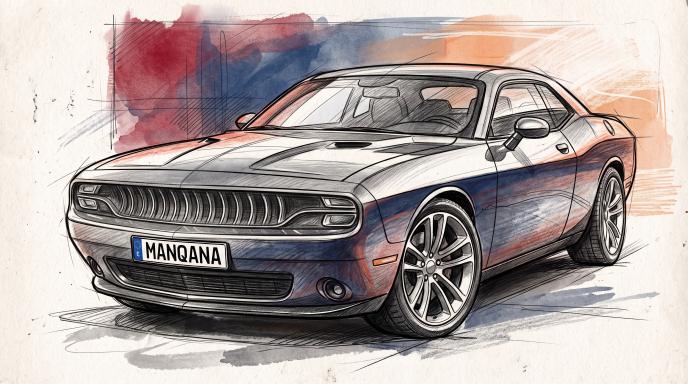
Subaru Impreza — 56 l
With the Impreza, Subaru combines the format of a passenger car with the needs of routine operation within its market class. The ownership experience may change substantially with engine, gearbox, and trim level. A single name may cover several generations, so the details of an individual vehicle should be verified separately.

Saturn Sky — 56 l
The Saturn Sky belongs to the category of model from a mainstream or specialist segments and is designed for general everyday motoring. The model may span several generations whose dimensions and engineering concepts do not fully match. Before comparing examples, it is useful to identify the generation, derivative, and original market.
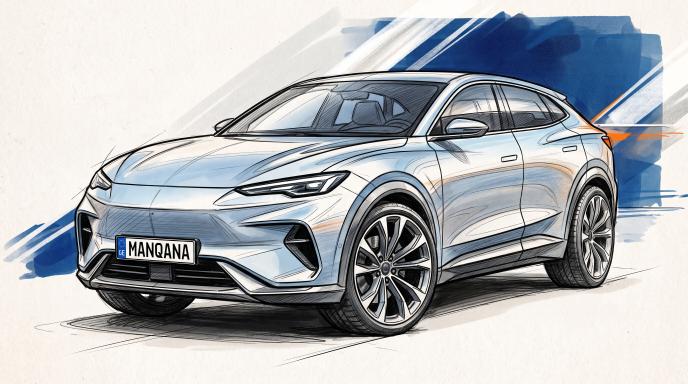
McLaren 720S — 58 l
In positioning terms, the McLaren 720S is closest to a vehicle with a strong driver-focused character and suits buyers seeking a sharper character than a regular road model. Its character is best revealed on an engaging road where steering accuracy and responses matter. Even within one generation, engine, drivetrain, and option package can change the car's character.

McLaren 750S — 58 l
In positioning terms, the McLaren 750S is closest to a model developed around speed and handling and suits drivers who value dynamics and road feedback. The alphanumeric code 750S functions as a factory designation for a family or specific configuration rather than a conventional marketing name. Market-specific naming can hide meaningful differences in equipment and mechanical layout.
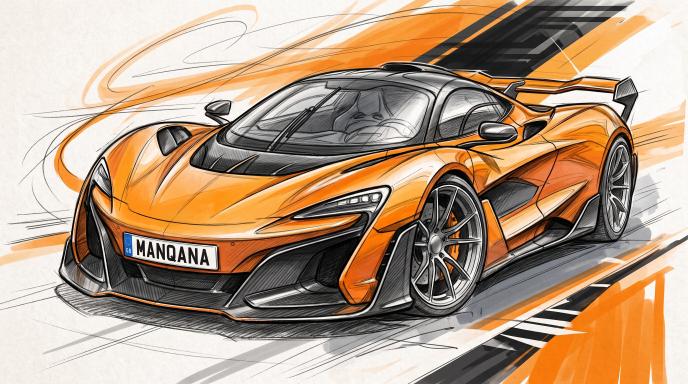
Pontiac Solstice — 60 l
Pontiac uses the Solstice designation for a member of the brand's passenger-car range created with everything from short commutes to longer journeys in mind. The model may span several generations whose dimensions and engineering concepts do not fully match. Exact specifications should be checked against model year, sales region, and trim level.
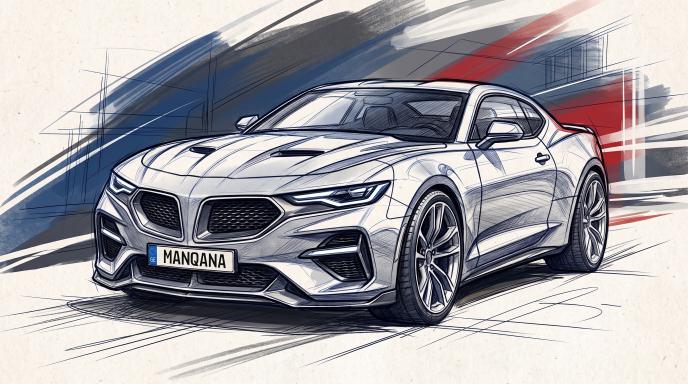
Roewe E50 — 60 l
In positioning terms, the Roewe E50 is closest to a series-production road model and suits general everyday motoring. Its character depends on generation, as body styles, engines, transmissions, equipment, and safety all evolve. Even within one generation, engine, drivetrain, and option package can change the car's character.
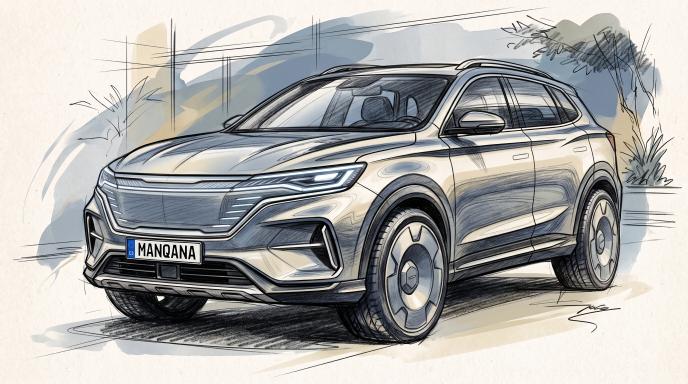
Pontiac G6 — 62 l
The G6 occupies the role of a passenger car in the history or product line of Pontiac, aimed at buyers comparing size, price, and equipment. When choosing a used example, year, body type, powertrain, and vehicle history are important.
Citroën Ami — 63 l
The Citroën Ami is aimed at customers looking for a general-purpose road car for routine operation within its market class. Its character depends on generation, as body styles, engines, transmissions, equipment, and safety all evolve. Exact specifications should be checked against model year, sales region, and trim level.

Lexus LM300h — 65 l
As part of the Lexus portfolio, the LM300h answers the demand for a upmarket member of the range suited to relaxed travel with a high level of convenience. Option packages can alter both atmosphere and usability more than the basic exterior suggests. Early and late versions can differ considerably in equipment and safety provisions.
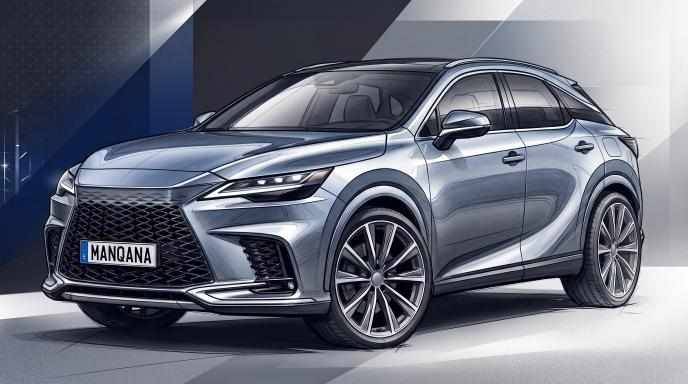
Lexus LM350 — 65 l
With the LM350, Lexus combines the format of a upmarket member of the range with the needs of demanding buyers who notice fine details. The alphanumeric code LM350 functions as a factory designation for a family or specific configuration rather than a conventional marketing name. Even within one generation, engine, drivetrain, and option package can change the car's character.
Qiantu K50 — 65 l
With the K50, Qiantu combines the format of a general-purpose road car with the needs of personal and family use. Regional derivatives can differ enough to make a model name alone an incomplete description.
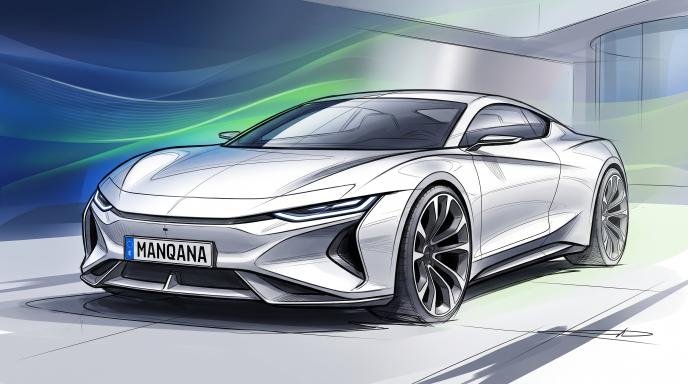
Renault Clio — 67 l
The concept behind the Renault Clio centres on a model from a mainstream or specialist segment and the requirements of everything from short commutes to longer journeys. The ownership experience may change substantially with engine, gearbox, and trim level. Exact specifications should be checked against model year, sales region, and trim level.

Geely Geometry Panda Mini — 69 l
In the Geely family, the Geometry Panda Mini serves as a new-energy model adapted to daily routes supported by charging infrastructure. Software features and energy-management strategy strongly influence the ownership experience. Early and late versions can differ considerably in equipment and safety provisions.
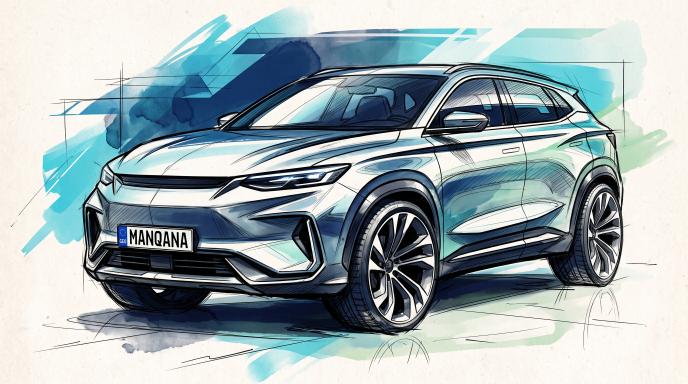
Infiniti Q60 — 70 l
The Q60 occupies the role of a car offering a high level of equipment in the history or product line of Infiniti, aimed at relaxed travel with a high level of convenience. Refinement is often measured by how naturally the car handles routine journeys.

Radar RD6 — 70 l
The Radar RD6 can be described as a member of the brand's passenger-car range for personal and family use. Regional derivatives can differ enough to make a model name alone an incomplete description. A single name may cover several generations, so the details of an individual vehicle should be verified separately.