Number of places
Vehicles with the largest value
Van Hool T9-Series — 95
As part of the Van Hool portfolio, the T9-Series answers the demand for a vehicle for scheduled passenger services suited to urban and suburban routes. The character of the model is defined by capacity, route suitability, and door configuration. Equipment and technical configuration vary between versions and regional specifications.
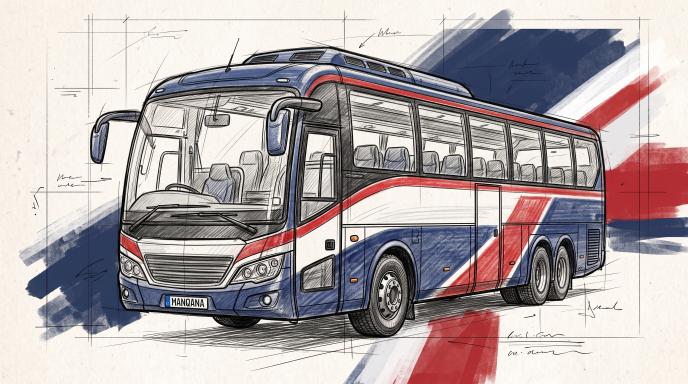
Van Hool T8-Series — 89
In positioning terms, the Van Hool T8-Series is closest to a route bus and suits routes where capacity and easy boarding matter. Local regulations and accessibility requirements can be just as important as engine choice. Across its life cycle, the model may have changed significantly in size, interior design, and technology.
Van Hool T9-Series — 85
As part of the Van Hool portfolio, the T9-Series answers the demand for a vehicle for scheduled passenger services suited to urban and suburban routes. The character of the model is defined by capacity, route suitability, and door configuration. Equipment and technical configuration vary between versions and regional specifications.
Neoplan Skyliner — 85
The Neoplan Skyliner was conceived as a vehicle for scheduled passenger services able to cover the needs of urban and suburban routes. Different versions can vary substantially in interior layout, powertrain, and operating role. The factory specification for the relevant model year is the best reference for precise data.
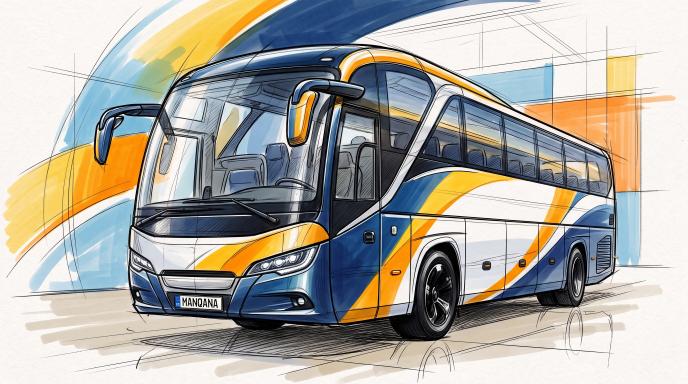
Van Hool T9-Series — 84
As part of the Van Hool portfolio, the T9-Series answers the demand for a vehicle for scheduled passenger services suited to urban and suburban routes. The character of the model is defined by capacity, route suitability, and door configuration. Equipment and technical configuration vary between versions and regional specifications.
Van Hool T8-Series — 84
In positioning terms, the Van Hool T8-Series is closest to a route bus and suits routes where capacity and easy boarding matter. Local regulations and accessibility requirements can be just as important as engine choice. Across its life cycle, the model may have changed significantly in size, interior design, and technology.
GAZ CityMax 9 — 84
In the GAZ catalogue, the name CityMax 9 identifies a route bus oriented toward scheduled passenger transport. Its practical value is shaped by passenger capacity, boarding convenience, and ease of maintenance. Across its life cycle, the model may have changed significantly in size, interior design, and technology.

Setra Top Class — 83
In the Setra family, the Top Class serves as a bus developed for professional operation adapted to services involving frequent stops. Service conditions determine whether low-floor access, luggage space, or standing capacity takes priority. Across its life cycle, the model may have changed significantly in size, interior design, and technology.
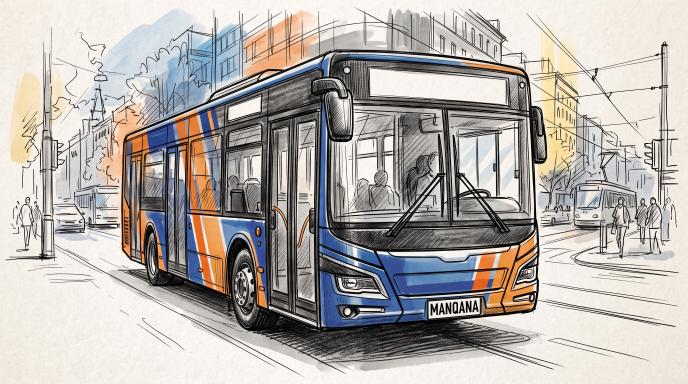
Van Hool T9-Series — 81
As part of the Van Hool portfolio, the T9-Series answers the demand for a vehicle for scheduled passenger services suited to urban and suburban routes. The character of the model is defined by capacity, route suitability, and door configuration. Equipment and technical configuration vary between versions and regional specifications.
GAZ CityMax 9 — 77
In the GAZ catalogue, the name CityMax 9 identifies a route bus oriented toward scheduled passenger transport. Its practical value is shaped by passenger capacity, boarding convenience, and ease of maintenance. Across its life cycle, the model may have changed significantly in size, interior design, and technology.
Isuzu Citibus — 76
In the Isuzu family, the Citibus serves as a bus developed for professional operation adapted to services involving frequent stops. Service conditions determine whether low-floor access, luggage space, or standing capacity takes priority. Across its life cycle, the model may have changed significantly in size, interior design, and technology.
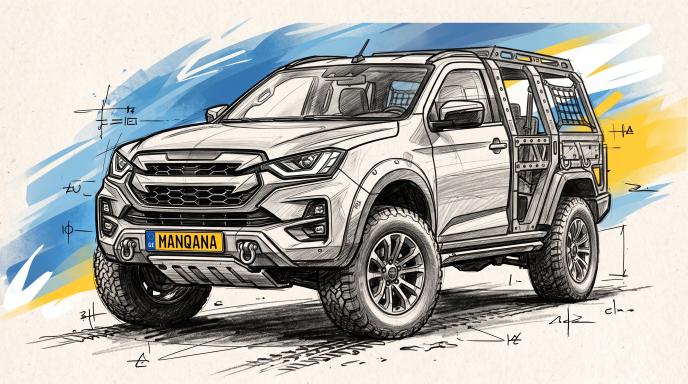
GAZ CityMax 9 — 74
In the GAZ catalogue, the name CityMax 9 identifies a route bus oriented toward scheduled passenger transport. Its practical value is shaped by passenger capacity, boarding convenience, and ease of maintenance. Across its life cycle, the model may have changed significantly in size, interior design, and technology.
Van Hool T9-Series — 73
As part of the Van Hool portfolio, the T9-Series answers the demand for a vehicle for scheduled passenger services suited to urban and suburban routes. The character of the model is defined by capacity, route suitability, and door configuration. Equipment and technical configuration vary between versions and regional specifications.
Van Hool T8-Series — 68
In positioning terms, the Van Hool T8-Series is closest to a route bus and suits routes where capacity and easy boarding matter. Local regulations and accessibility requirements can be just as important as engine choice. Across its life cycle, the model may have changed significantly in size, interior design, and technology.
Van Hool T9-Series — 67
As part of the Van Hool portfolio, the T9-Series answers the demand for a vehicle for scheduled passenger services suited to urban and suburban routes. The character of the model is defined by capacity, route suitability, and door configuration. Equipment and technical configuration vary between versions and regional specifications.
Neoplan Starliner — 65
Rather than serving a single narrow purpose, the Neoplan Starliner works as a passenger bus for professional people-moving duties. Service conditions determine whether low-floor access, luggage space, or standing capacity takes priority. A single name may cover several generations, so the details of an individual vehicle should be verified separately.
Neoplan Cityliner — 65
The Neoplan Cityliner belongs to the category of member of the brand's bus ranges and is designed for scheduled passenger transport. When choosing a particular version, body length, door count, cabin layout, and route type are especially important.
MAN Lions Regio — 64
With the Lions Regio, MAN combines the format of a platform for transport and specialist bodies with the needs of regional and long-distance haulage. The chassis may support a platform, box body, tipper, tanker, or specialist installation.

Van Hool T9-Series — 63
As part of the Van Hool portfolio, the T9-Series answers the demand for a vehicle for scheduled passenger services suited to urban and suburban routes. The character of the model is defined by capacity, route suitability, and door configuration. Equipment and technical configuration vary between versions and regional specifications.
Setra Comfort Class — 63
In the Setra family, the Comfort Class serves as a member of the brand's bus range adapted to operation within public-transport fleets. Service conditions determine whether low-floor access, luggage space, or standing capacity takes priority. Early and late versions can differ considerably in equipment and safety provisions.
Neoplan Tourliner — 63
In positioning terms, the Neoplan Tourliner is closest to a bus developed for professional operation and suits services involving frequent stops. Local regulations and accessibility requirements can be just as important as engine choice.
MAN Lions Intercity — 63
As part of the MAN portfolio, the Lions Intercity answers the demand for a commercial truck suited to logistics, construction, or municipal work. The same model name may cover configurations intended for very different industries. Early and late versions can differ considerably in equipment and safety provisions.
Zhong Tong Compass — 62
The concept behind the Zhong Tong Compass centres on a passenger bus and the requirements of urban and suburban routes. Fleet operators usually focus on component durability, driver ergonomics, and passenger flow. For rare or regional versions, VIN-based and official-catalogue checks are particularly useful.
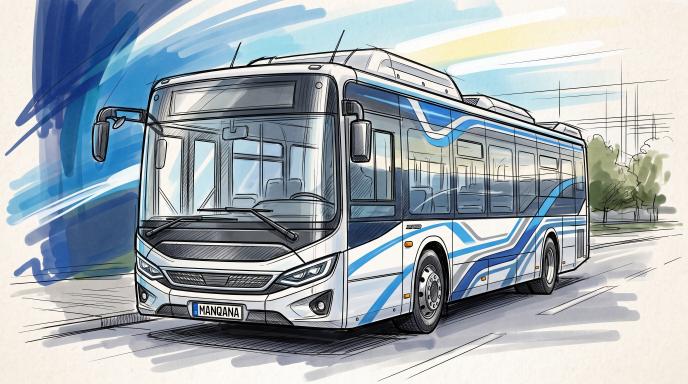
Van Hool T9-Series — 61
As part of the Van Hool portfolio, the T9-Series answers the demand for a vehicle for scheduled passenger services suited to urban and suburban routes. The character of the model is defined by capacity, route suitability, and door configuration. Equipment and technical configuration vary between versions and regional specifications.
Neoplan Starliner — 61
Rather than serving a single narrow purpose, the Neoplan Starliner works as a passenger bus for professional people-moving duties. Service conditions determine whether low-floor access, luggage space, or standing capacity takes priority. A single name may cover several generations, so the details of an individual vehicle should be verified separately.
Vehicles with the smallest value
Honda N-VAN — 1
The Honda N-VAN is aimed at customers looking for a light commercial vehicle for urban delivery and small-business use. Cargo, crew-van, and fully passenger-carrying derivatives may be offered with several body lengths. Across its life cycle, the model may have changed significantly in size, interior design, and technology.

Kia Ray — 1
In the Kia catalogue, the name Ray identifies a series-production road model oriented toward daily trips in town and on the highway. Its character depends on generation, as body styles, engines, transmissions, equipment, and safety all evolve. Across its life cycle, the model may have changed significantly in size, interior design, and technology.

Renault Twizy — 1
The Renault Twizy belongs to the category of vehicle for everyday uses and is designed for everything from short commutes to longer journeys. The model may span several generations whose dimensions and engineering concepts do not fully match.

Suzuki Spacia — 1
The Suzuki Spacia can be described as a series-production road model for everything from short commutes to longer journeys. Versions are best compared by practicality, running costs, equipment, and condition.

Toyota COMS — 1
The main role of the Toyota COMS is to be a model from a mainstream or specialist segment convenient for everything from short commutes to longer journeys. Versions are best compared by practicality, running costs, equipment, and condition. Early and late versions can differ considerably in equipment and safety provisions.

Lada / VAZ 2110 — 1
The Lada / VAZ 2110 belongs to the category of series-production road models and is designed for general everyday motoring. The alphanumeric code 2110 functions as a factory designation for a family or specific configuration rather than a conventional marketing name.

Renault Premium — 1
The concept behind the Renault Premium centres on a vehicle for everyday use and the requirements of general everyday motoring. The model may span several generations whose dimensions and engineering concepts do not fully match. Special editions may depart from the regular range in both appearance and specification.