Consumption
Vehicles with the largest value
Lancia Delta — 65.7 l/100 km
In positioning terms, the Lancia Delta is closest to a member of the brand's passenger-car range and suits general everyday motoring. Regional derivatives can differ enough to make a model name alone an incomplete description. A single name may cover several generations, so the details of an individual vehicle should be verified separately.
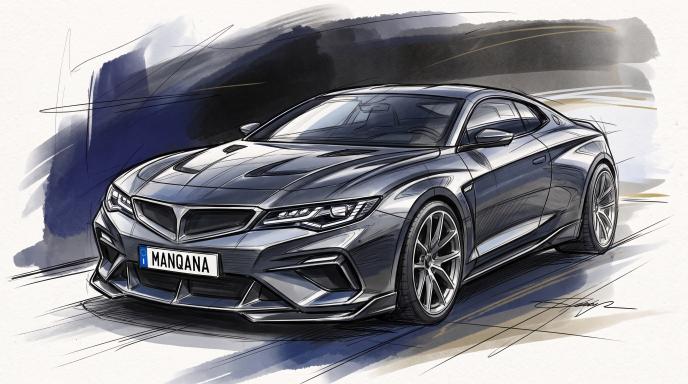
KrAZ 6443 — 60.0 l/100 km
As part of the KrAZ portfolio, the 6443 answers the demand for a heavy-duty chassis suited to commercial fleet use. The alphanumeric code 6443 functions as a factory designation for a family or specific configuration rather than a conventional marketing name. Engine, transmission, and equipment choices changed by generation and market.

Ural 375 — 48.0 l/100 km
In the Ural catalogue, the name 375 identifies a purpose-built commercial vehicle oriented toward heavy-duty operation and specialist body installations. The alphanumeric code 375 functions as a factory designation for a family or specific configuration rather than a conventional marketing name. Real-world qualities depend on body style, powertrain, and the selected equipment level.
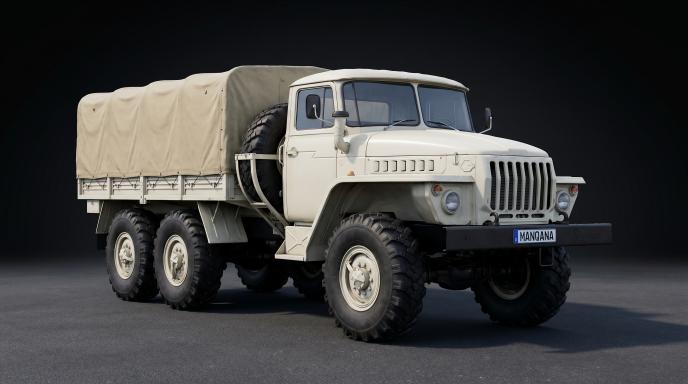
Ural 4320 — 45.0 l/100 km
At Ural, the name 4320 is associated with a purpose-built commercial vehicle and the demands of heavy-duty operation and specialist body installations. The alphanumeric code 4320 functions as a factory designation for a family or specific configuration rather than a conventional marketing name.

Ural 5323 — 43.0 l/100 km
The concept behind the Ural 5323 centres on a heavy-duty chassis and the requirements of logistics, construction, or municipal work. The alphanumeric code 5323 functions as a factory designation for a family or specific configuration rather than a conventional marketing name.

Ural 44202 — 40.0 l/100 km
Rather than serving a single narrow purpose, the Ural 44202 works as a purpose-built commercial vehicle for logistics, construction, or municipal work. The alphanumeric code 44202 functions as a factory designation for a family or specific configuration rather than a conventional marketing name.
Ural 43443 — 40.0 l/100 km
The Ural 43443 is aimed at customers looking for a commercial truck for heavy-duty operation and specialist body installations. The alphanumeric code 43443 functions as a factory designation for a family or specific configuration rather than a conventional marketing name. Real-world qualities depend on body style, powertrain, and the selected equipment level.
Ural 4320 — 40.0 l/100 km
At Ural, the name 4320 is associated with a purpose-built commercial vehicle and the demands of heavy-duty operation and specialist body installations. The alphanumeric code 4320 functions as a factory designation for a family or specific configuration rather than a conventional marketing name.

Freightliner Columbia — 40.0 l/100 km
In the Freightliner family, the Columbia serves as a member of the professional truck range adapted to commercial fleet use. Its application depends on wheelbase, permitted weight, cab type, engine, and the selected body or equipment. Before comparing examples, it is useful to identify the generation, derivative, and original market.

Howo 8x4 — 38.0 l/100 km
In the Howo catalogue, the name 8x4 identifies a heavy-duty chassis oriented toward regional and long-distance haulage. The 8x4 suffix identifies the wheel arrangement, which directly affects load distribution, traction, and intended duty.
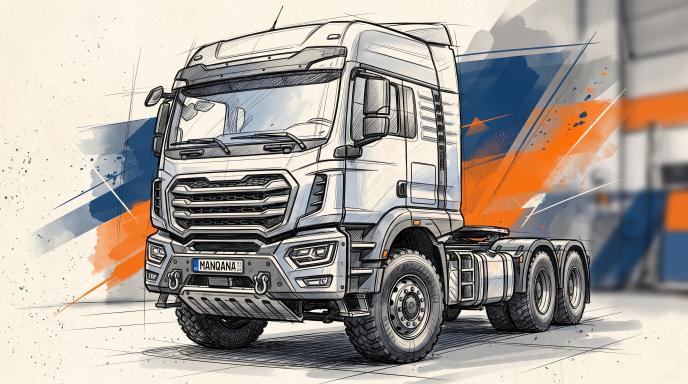
Howo 6x4 — 38.0 l/100 km
Howo uses the 6x4 designation for a working vehicle for freight operations created with heavy-duty operation and specialist body installations in mind. The 6x4 suffix identifies the wheel arrangement, which directly affects load distribution, traction, and intended duty. Across its life cycle, the model may have changed significantly in size, interior design, and technology.
Vehicles with the smallest value
Mercedes-Benz GLC Coupe — 0.4 l/100 km
At Mercedes-Benz, the name GLC Coupe is associated with a sleek personal car and the demands of daily use with a more emotional presentation. The Coupe name emphasises a sleeker silhouette and a more image-led interpretation of the range.

Arcfox Alpha S5 — 0.5 l/100 km
The Alpha S5 occupies the role of a technology-led car with electric assistance in the history or product line of Arcfox, aimed at markets with growing demand for new-energy vehicles. Variants may differ in drive layout, power, battery size, and rapid-charging capability. For rare or regional versions, VIN-based and official-catalogue checks are particularly useful.
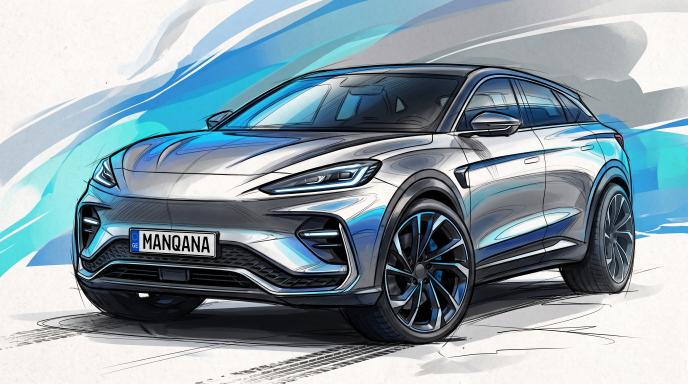
Mercedes-Benz E-Class — 0.5 l/100 km
By purpose, the Mercedes-Benz E-Class is a premium passenger model best suited to owners who value cabin materials and technology. Each generation offers its own balance of comfort, handling, and technology. Market-specific naming can hide meaningful differences in equipment and mechanical layout.
Mercedes-Benz GLC Coupe — 0.5 l/100 km
At Mercedes-Benz, the name GLC Coupe is associated with a sleek personal car and the demands of daily use with a more emotional presentation. The Coupe name emphasises a sleeker silhouette and a more image-led interpretation of the range.
Mercedes-Benz GLC-Class — 0.5 l/100 km
By purpose, the Mercedes-Benz GLC-Class is a business- or executive-class car best suited to relaxed travel with a high level of convenience. Materials, acoustic comfort, ride quality, and electronic features are central to the experience.
BMW 2-Series Active Tourer — 0.6 l/100 km
BMW uses the 2-Series Active Tourer designation for a vehicle focused on comfort and finish quality created with long-distance comfort and refined daily driving in mind. A Cross, Stepway, X-Line, Active, or Alltrack suffix generally adds protective styling and a more adventure-oriented presentation. Market-specific naming can hide meaningful differences in equipment and mechanical layout.

BMW i3 — 0.6 l/100 km
In positioning terms, the BMW i3 is closest to a vehicle focused on comfort and finish quality and suits combining status, performance, and usability. Option packages can alter both atmosphere and usability more than the basic exterior suggests.
Arcfox Alpha T5 — 0.6 l/100 km
In positioning terms, the Arcfox Alpha T5 is closest to a battery-electric or hybrid vehicle and suits quiet urban driving and modern everyday use. Real-world range, charging speed, and access to suitable infrastructure are important in daily use.
Mercedes-Benz E-Class — 0.6 l/100 km
By purpose, the Mercedes-Benz E-Class is a premium passenger model best suited to owners who value cabin materials and technology. Each generation offers its own balance of comfort, handling, and technology. Market-specific naming can hide meaningful differences in equipment and mechanical layout.